Our 2023 calendar theme, Preservation, is an ode to the art of preserving the harvest as well as a salute to the self-preservation of body and spirit. These have been challenging years! It’s fair to say we have been pickled and fermented, but that life goes on. It is the celebratory moments and the opportunities to come together that we relish.
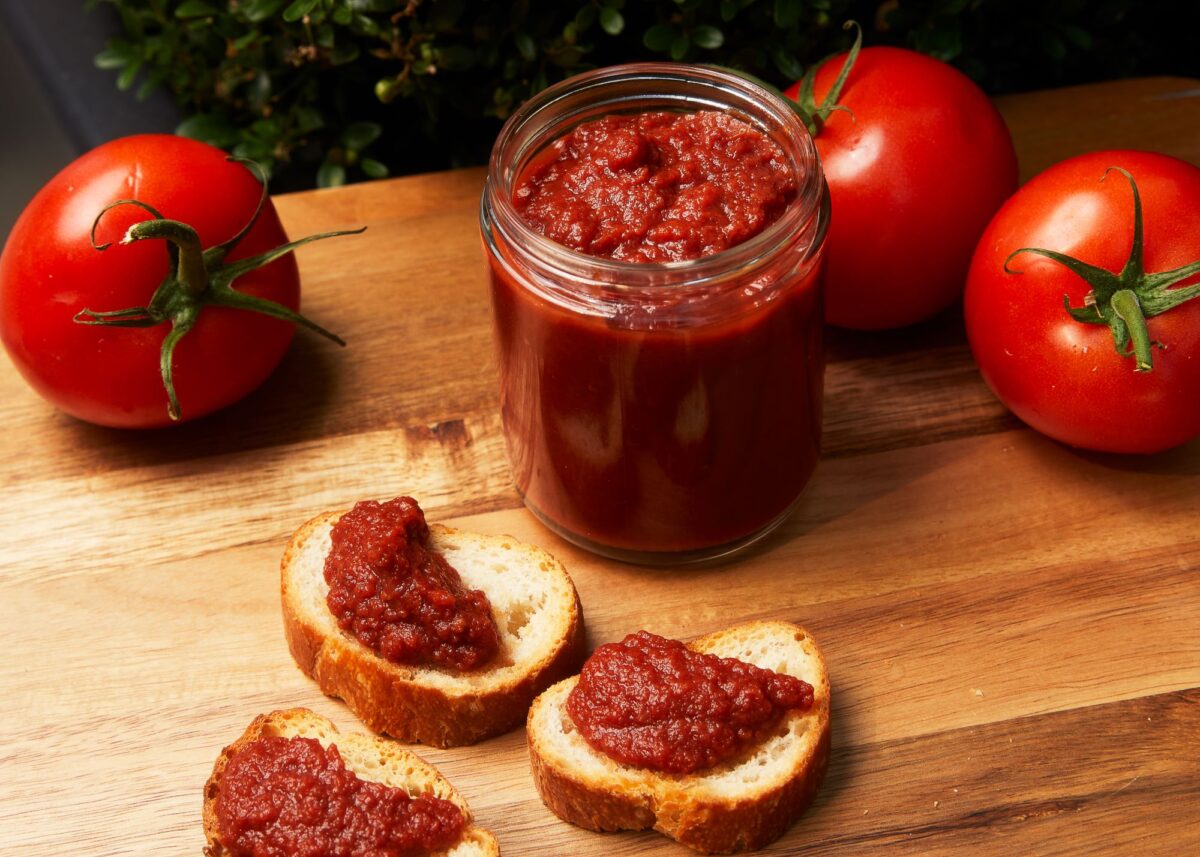
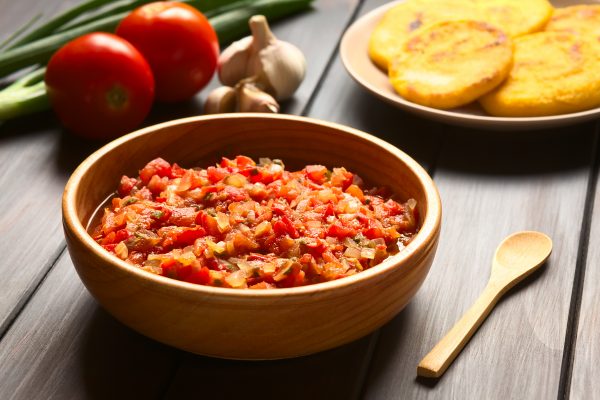
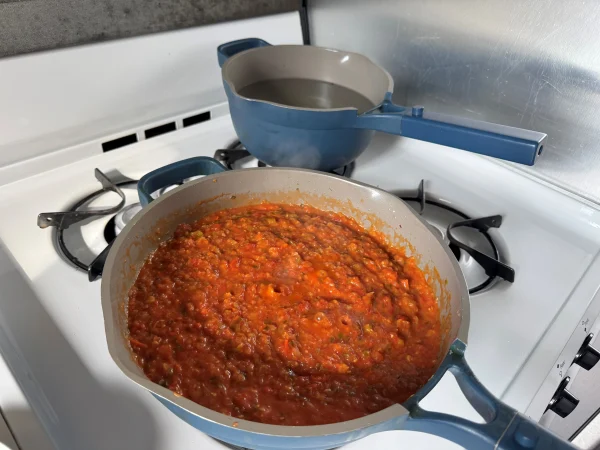
This month we’re celebrating with a Tomato Jam recipe brought to you by our Executive Chef of Catering Operations, Mike Deuel.
We love preserving our fresh tomatoes from Katchkie Farm using this recipe. This sweet and savory jam is a great addition to any cheese board or sandwich, used as a pizza topper or glaze for meats…truly, the possibilities are endless! We hope you love it as much as we do.
Tomato Jam Recipe
by Mike Deuel, Executive Chef of Catering Operations
Chef Mike is a huge fan of fresh, summer tomatoes – check out his recipe for a Tomato and Onion Curtido Salad on our website – but his not-so-guilty pleasure is a fresh tomato sandwich with bread, sliced ripe summer tomatoes, Hellmann’s mayonnaise, and a sprinkle of salt and pepper. At his home garden, he and his wife have more than 100 tomato plants growing. Most are volunteers that grew on their own rather than being deliberately planted. When they come across an especially delicious tomato, they will sacrifice it for seeds to grow the next year.
INGREDIENTS
2 1/2 lbs cherry tomatoes
1 3/4 c sugar
2 limes, juiced and zested
1 tsp freshly grated ginger
1/2 tsp cinnamon
1/4 tsp ground cloves
1 1/2 tsp salt
1 1/2 tsp red pepper flakes
PROCEDURE
Combine tomatoes, sugar, zest of 1 lime, lime juice, ginger, sinnamon, cloves, salt, and red pepper flakes to a non-reactive pot.
Boil and simmer uncovered for 1-2 hours, stirring till soft, sticky, and jammy.
Jar and allow to cool completely before storing in a fridge or freezing.
Our 2023 calendar theme, Preservation, is an ode to the art of preserving the harvest as well as a salute to the self-preservation of body and spirit. These have been challenging years! It’s fair to say we have been pickled and fermented, but that life goes on. It is the celebratory moments and the opportunities to come together that we relish.
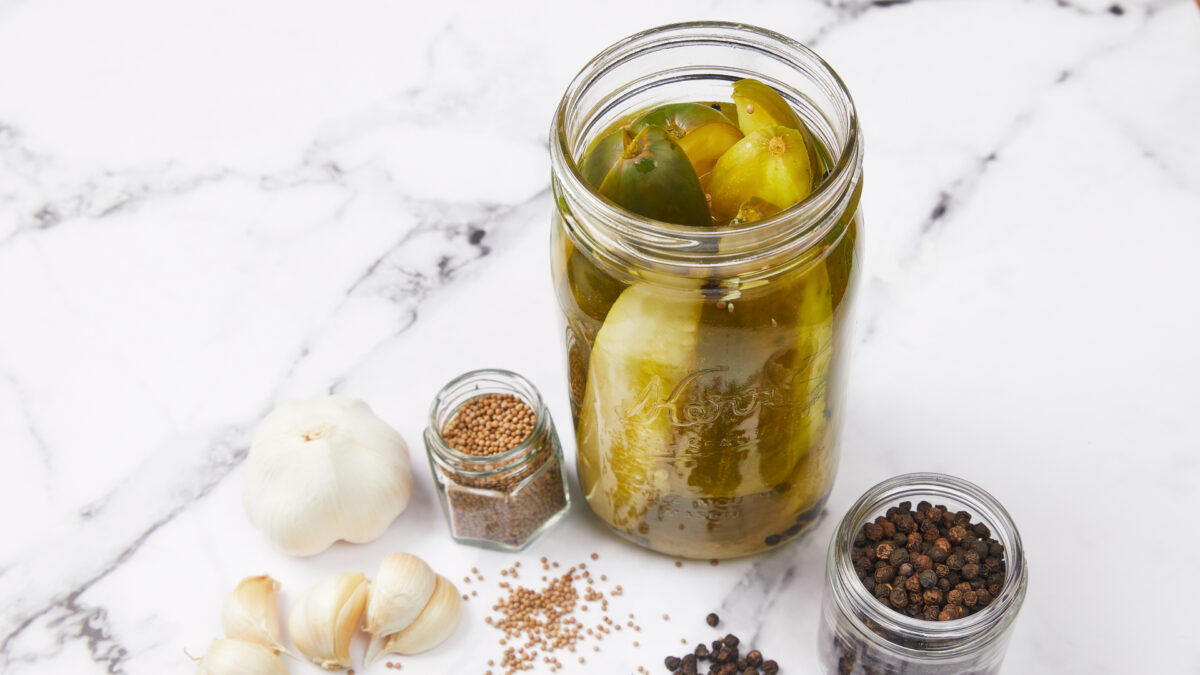
This month, we’re celebrating with Thunder Quickles, a slight spin on Liz Neumark’s “Thunder Pickles”.
The name “Thunder Pickles” originates from a young Liz Neumark’s visit to a farm. A farmer told her that thunder made cucumbers grow! In the earlier years of The Sylvia Center, a portion of sales from Katchkie Farm’s “Thunder Pickles” went to support the organization. As a nod to our beginnings, we are excited to share this recipe recreated by TSC teen students.
1. Stem, wash, and slice cucumbers into spears or rounds. Peel and quarter onions.
2. Bring water and vinegar to a boil. Add the salt and sugar, and stir to dissolve.
3. Divide the sliced cucumbers and onions among the 7 jars. Into each jar, add a few sprigs of dill, a bay leaf, one hot pepper, garlic, pickling spices and peppercorns. Pour the hot mixture evenly over the peppers.
4. Close the jars with seals and rings. Allow the filled jars to stand at room temperature until cool. Then refrigerate for at least 24 hours before use. Keeps up to two weeks in the refrigerator.
Our 2023 calendar theme, Preservation, is an ode to the art of preserving the harvest as well as a salute to the self-preservation of body and spirit. These have been challenging years! It’s fair to say we have been pickled and fermented, but that life goes on. It is the celebratory moments and the opportunities to come together that we relish.
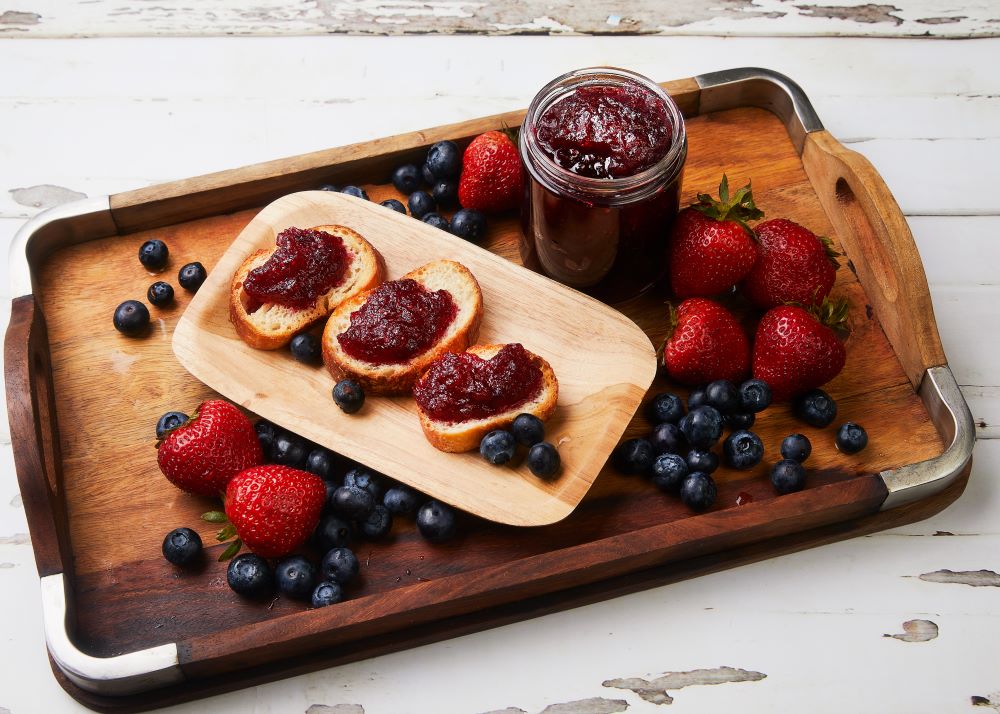
This month, we’re celebrating with a Berry Jam recipe brought to you by Pastry Chef, Albert Bello.
Capture the best flavors of summer with this triple berry jam. You can use almost any combination of berries – and we encourage you to get creative! The jam is delicious on toast or pancakes, is perfect on ice cream, and can make a delicious sauce. We even love it in a cocktail.
Berry Jam Recipe
by Albert Bello, Pastry Chef
Yield: about 2 cups
INGREDIENTS
100g raspberries
50g blackberries
50g blueberries
130g sugar
2 tsp lemon juice
1 tsp salt
PROCEDURE
Crush the berries and macerate with lemon juice, sugar, and salt.
Add berry mixture to heavy-bottomed pan and bring to a boil over high heat, stirring constantly. Reduce heat to a simmer and cook for 15 minutes, stirring constantly, until thick and jammy. Test for doneness by running a heatproof rubber or silicone spatula along the bottom of the pan. If the space fills in quickly, continue cooking until the space fills in slowly.
Jar, cool, and put aside for future use or give away as a gift!
Our 2023 calendar theme, Preservation, is an ode to the art of preserving the harvest as well as a salute to the self-preservation of body and spirit. These have been challenging years! It’s fair to say we have been pickled and fermented, but that life goes on. It is the celebratory moments and the opportunities to come together that we relish.
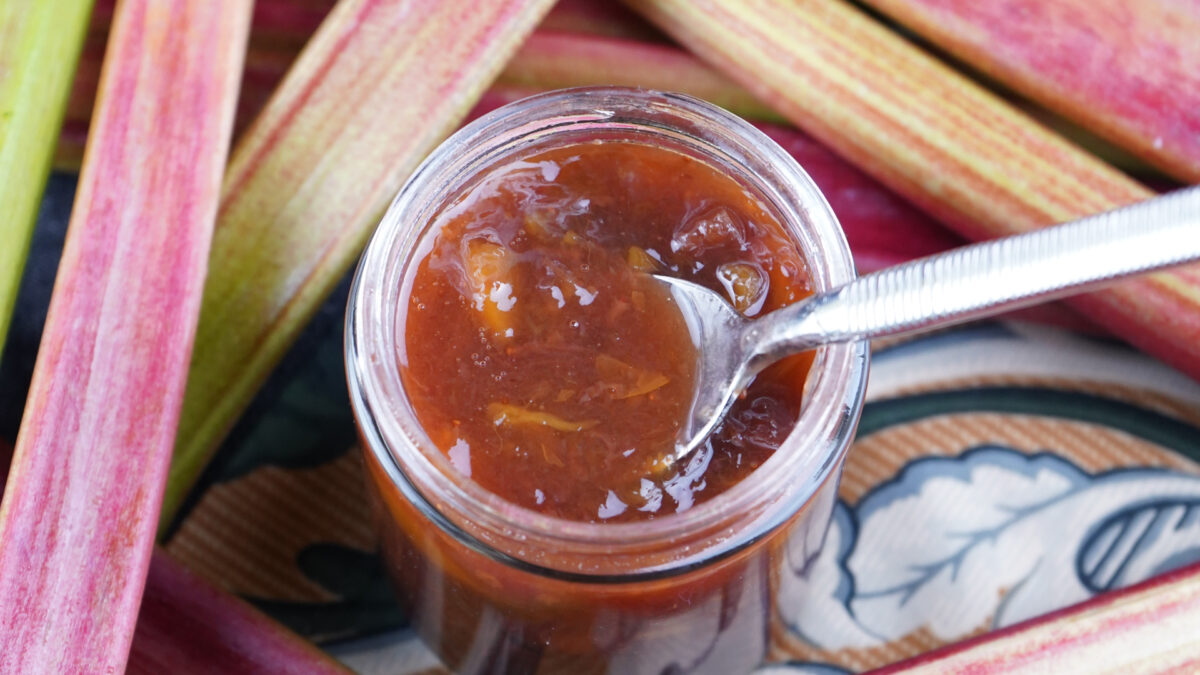
This month, we’re celebrating with a Rhubarb Chutney recipe by Chef Andrew Smith.
This tangy-sweet Rhubarb Chutney is a versatile and lively garnish. It pairs perfectly with grilled pork chops or served alongside ham.
Rhubarb Chutney Recipe
by Andrew Smith, Culinary Director
Yield: about 2 cups
INGREDIENTS
2 cups medium diced rhubarb
1 cup medium diced red onion
1 tsp minced garlic
1 tsp finely diced fresh ginger
1/4 cup raisins 1 tsp five spice powder
1/2 cup water
2 Tbsp red wine vinegar
1 Tbsp sugar
Salt to taste
PROCEDURE
In a thick-bottomed sauce pan over medium heat, sweat onions, garlic, and ginger till they become translucent.
Mix in the rhubarb, raisins, and five spice powder. Then stir in water, vinegar, sugar, and salt.
Reduce to low heat and simmer approximately 30 minutes till mixture begins to thicken, occasionally stirring. Remove from heat and chill overnight.
Each spring I consider the proximity of the Easter and Passover holidays and the ways in which their two cultures intersect in the life of our city. Surely there are dishes that could grace both the Easter and Passover tables. This year the holidays fall from early to mid-April, when the new season’s vegetables have yet to be harvested. Yet, we are none the less hungry for a change in tone. I’m offering a trio of vegetable dishes that are a feast all their own. While they would also make delicious accompaniments to a roasted side of salmon, a chicken, or even a paschal lamb. I begin with asparagus and eggs, as I can’t imagine a spring menu without this classic pairing and harbingers of the season. The bright, bold pink of the red beet and pearl couscous salad is as pretty as any easter frock. Finally, the sweet roasted carrots offer a bridge between winter and spring and have a hint of the tzimmes that traditionally graces many a Passover dinner.
May be made a day or two ahead and reheated in the braising liquid.
Ingredients
1 lb greenmarket carrots
1 cup brown sugar + 1 cup water
1 pinch ground cumin
1 pinch ground coriander
1 pinch espelette pepper
1 Tbs red wine vinegar
1 Tbs olive oil
1 pinch Fleur de Sel
Procedure
Preheat oven to 325F.
Trim the greens from the top of the carrots. Scrub, but do not peel the carrots. This helps maintain a firm exterior as the carrots roast.
In a small sauce pan, bring the water and brown sugar to a simmer to make a syrup. Add a pinch each of freshly ground cumin, coriander, and espelette pepper.
Toss the cleaned carrots in the syrup and then arrange them in a single layer on a sheet tray lined with a non-stick baking sheet or parchment paper.
Roast for 35-45 minutes, or until the carrots are very tender and lightly caramelized.
Arrange roasted carrots on a warm serving platter and pour the syrup from the roasting pan over the top. Drizzle with vinegar, olive oil, and fleur de sel. Serve hot,
Each spring I consider the proximity of the Easter and Passover holidays and the ways in which their two cultures intersect in the life of our city. Surely there are dishes that could grace both the Easter and Passover tables. This year the holidays fall from early to mid-April, when the new season’s vegetables have yet to be harvested. Yet, we are none the less hungry for a change in tone. I’m offering a trio of vegetable dishes that are a feast all their own. While they would also make delicious accompaniments to a roasted side of salmon, a chicken, or even a paschal lamb. I begin with asparagus and eggs, as I can’t imagine a spring menu without this classic pairing and harbingers of the season. The bright, bold pink of the red beet and pearl couscous salad is as pretty as any easter frock. Finally, the sweet roasted carrots offer a bridge between winter and spring and have a hint of the tzimmes that traditionally graces many a Passover dinner.
I can’t imagine a spring menu without asparagus or eggs, both harbingers of the season and also a classic pairing.
Three key steps to asparagus success: peeling, salting, icing. I like jumbo asparagus for their heft. Use a harp peeler to peel the outer layer from the bottom half of the stalk, which will make it tender, as opposed to stringy, and enables you to use more of the stalk. Trim off the woody very tough bottoms. Salt the poaching water generously, so that it tastes like sea water. Finally, plunging poached asparagus into ice water as soon as they are cooked, stops the cooking process immediately, preserving the vegetable’s bright green color and firmness. Once cooled, drain on cloth or paper towel. Very lightly coating the asparagus with a drop of olive oil just before serving gives them an appealing sheen.
As for the mayonnaise, I eagerly encourage you to whip up a homemade batch to avoid the sugar and emulsifiers in commercial versions. What a difference. No matter which route you choose, brighten the mayonnaise with freshly squeezed lemon juice, mustard and grain mustard. My recipe quantities are just a starting point for making the sauce your own. The grain mustard seeds add a flavor and texture pop.
Toss poached asparagus with a few drops of olive oil to coat lightly. Set aside. If preparing asparagus ahead of time, remove from refrigerator at least one hour before serving. Combine chopped hard boiled egg with lemon zest and tarragon. Season with salt and pepper to taste.
Combine mayonnaise with lemon juice, mustard and grain mustard. Season with salt and pepper to taste. If you prefer a more liquid version, don’t hesitate to whisk in some water and then adjust the seasoning.
On a serving platter, arrange chopped egg around the asparagus. You may choose to pour some of the sauce over the asparagus and serve the remainder on the side. I’m confident your guests will want to add more.
APRIL FOOD FESTIVAL: RAMP PESTO
Our 2023 calendar theme, Preservation, is an ode to the art of preserving the harvest as well as a salute to the self-preservation of body and spirit. These have been challenging years! It’s fair to say we have been pickled and fermented, but that life goes on. It is the celebratory moments and the opportunities to come together that we relish.
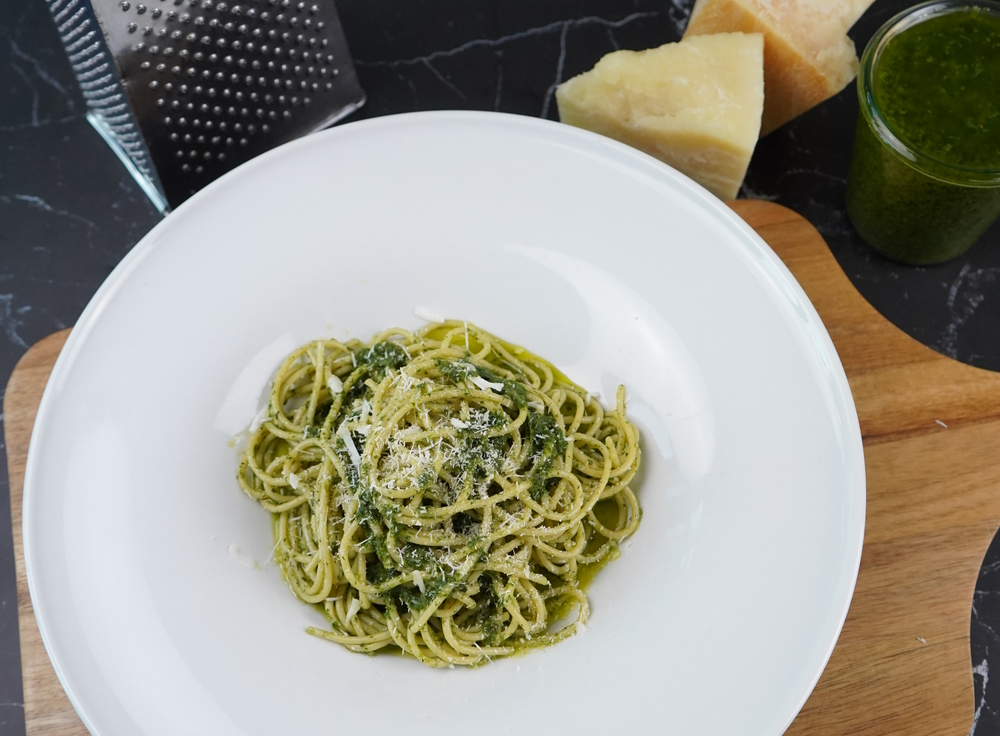
This month, we’re celebrating ramps and preserving this spring treat with a ramp pesto shared by Chef Andrew Smith.
Enjoy this pesto on pasta, as a sandwich spread, on pizza, or even as a marinade for your favorite protein.
Ramp Pesto Recipe
by Andrew Smith, Culinary Director
Yield: 1/2 cup pesto
INGREDIENTS
6-8 ramps
¼ c EVOO
1 Tbsp toasted pine nuts
2 Tbsp grated Parmesan cheese
Salt
PROCEDURE
Separate ramp leaves from the bulbs. Slice the bulbs in rings and set aside. Prepare a bowl of ice water. Bring a pot of water to a hard boil and blanch the ramp tops for one minute, then shock in prepared ice water for 1 minute. This helps preserve the color of the ramps. Remove and drain, wringing out any excess water.
In a food processor, place ramp leaves and bulbs, pine nuts, and Parmesan cheese. Blend together, gradually drizzling in olive oil till it becomes a paste. Be careful not to overprocess as you want it to remain a bit chunky. Taste and adjust seasoning as needed.
When it comes to choosing the perfect season for your wedding, summer holds a special appeal for many couples. From vibrant outdoor backdrops to longer daylight hours that stretch celebrations into golden evenings, the advantages are endless.
In this article, Amanda, GP’s resident wedding expert and seasoned event director, brings her extensive experience—gained from working on hundreds of weddings across New York City’s most sought-after venues—to highlight the top three reasons why a summer wedding could be the ideal choice.
Whether you’re envisioning a chic city rooftop or a scenic outdoor ceremony, Amanda’s insider insights will help you make the most of every summer advantage while crafting an unforgettable celebration.
#1 Fruitful Farmland
Encouraged by the early spring rain, farms are at peak production, providing a wide variety of fresh produce to incorporate in your menu. Few fruits and vegetables are off limits in the summer months, making it all the more enjoyable to craft the perfect assortment of dishes to accompany your big day. Our very own organic farm in Hudson Valley, Katchkie Farm, is always a source of great inspiration to us here at GP, especially during the summer season.
#2 Fun Food Activations
Drawing from nostalgic summers past, implementing related fun food activations is a perk of planning a wedding for the warmer months. Ice cream trucks and pool-side inspired petit fours are both engaging and delicious, sure to be enjoyed by all of your guests.
#3 Flourishing Florals
If sand’s not your thing, no worries! A lush garden wedding is guaranteed to be just as much of a hit. Similar to the flourishing farm, gardens everywhere will be in full bloom, making for the perfect fairytale-style setting in which you can begin your Happily Ever After.
Main photo by Daniel Chen (Chennergy)
MARCH FOOD FESTIVAL: BEET PICKLED EGGS
Our 2023 calendar theme, Preservation, is an ode to the art of preserving the harvest as well as a salute to the self-preservation of body and spirit. These have been challenging years! It’s fair to say we have been pickled and fermented, but that life goes on. It is the celebratory moments and the opportunities to come together that we relish.
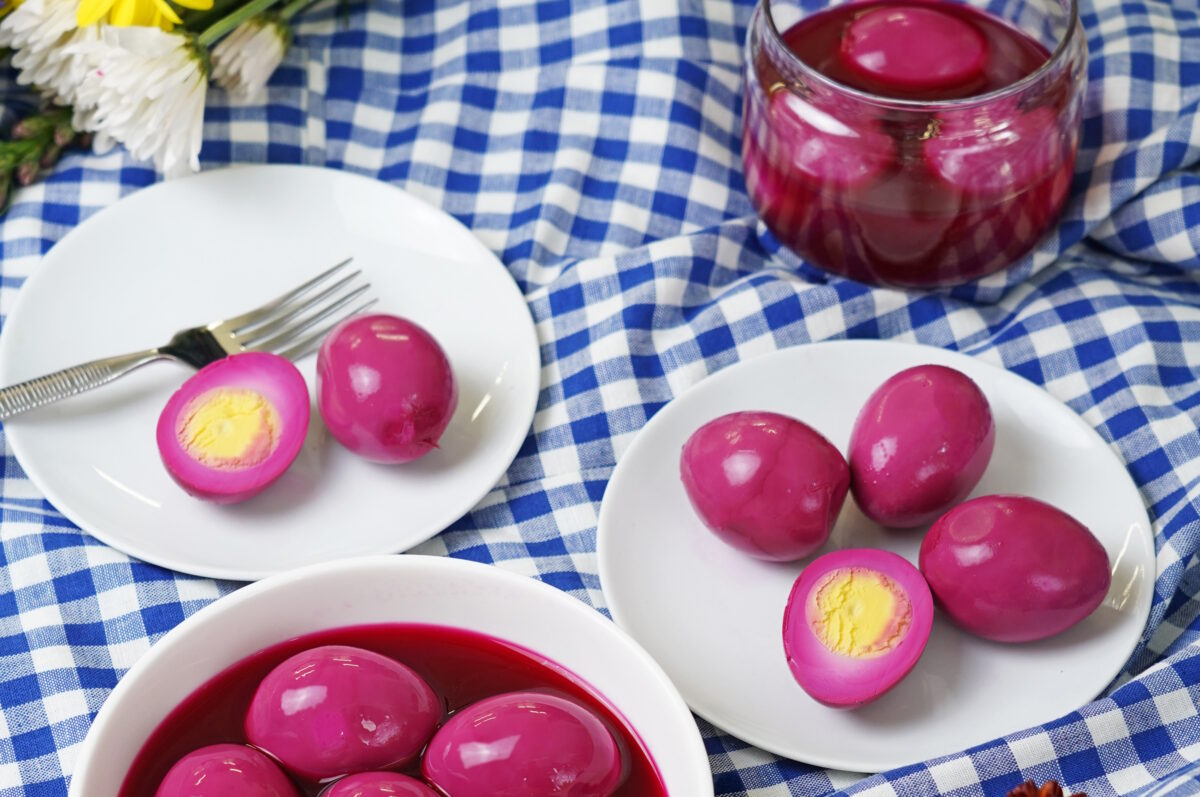
This month, we’re celebrating with brightly colored and extra delicious Beet Pickled Eggs!
Using the remaining brine from pickling beets, Beet Pickled Eggs are quick and easy to make and add a bright pop of color and a zing to any dish. Once a staple at bars and served as a snack alongside cocktails and beer (or even at breakfast with a side of a G&T), Enjoy these Beet Pickled Eggs with or without a cocktail, or in place of boiled eggs on salads, or even deviled for a beautiful starter or side.
4 medium beets, roasted, cooled, peeled, and sliced
1 c apple cider vinegar
1 c water
¼ c sugar
1 Tbsp salt
PROCEDURE
Combine apple cider vinegar, water, sugar, and salt in a small saucepan and bring to a boil, stirring to ensure sugar is dissolved. Remove from heat and allow to cool slightly. Place sliced beets in a jar and cover with prepared pickling liquid. Cover and allow to come to room temperature, then store in the fridge for up to 6 weeks.
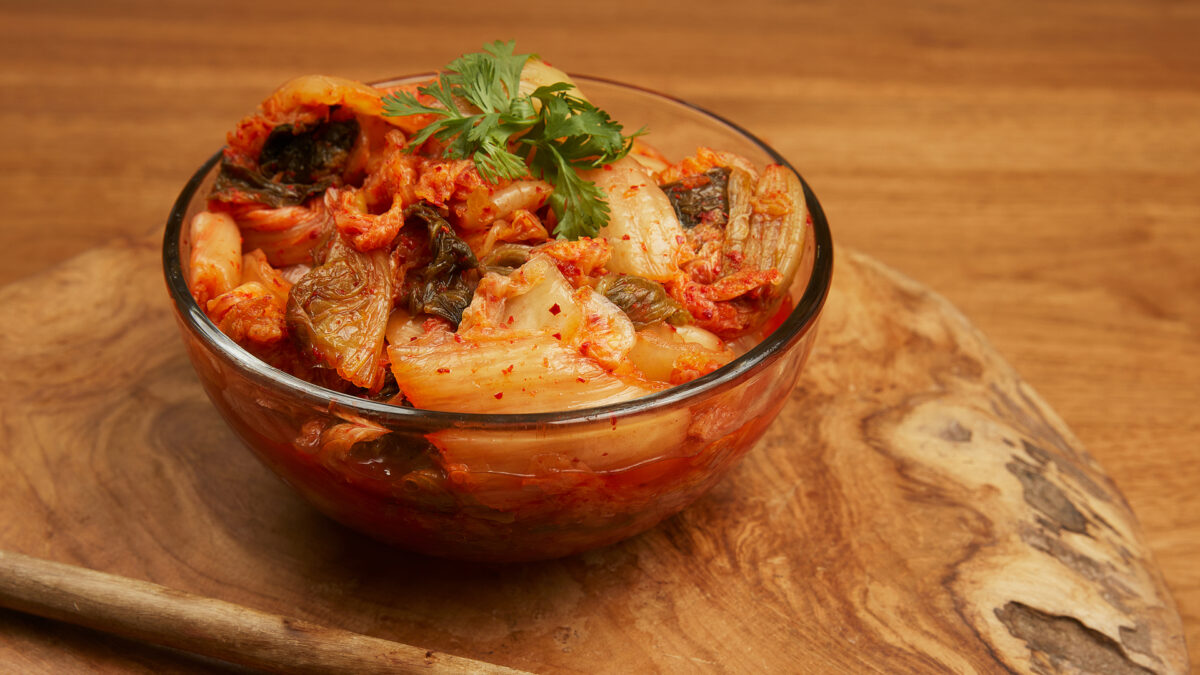
FEBRUARY FOOD FESTIVAL: CARROT & NAPA CABBAGE KIMCHI
Our 2023 calendar theme, Preservation, is an ode to the art of preserving the harvest as well as a salute to the self-preservation of body and spirit. These have been challenging years! It’s fair to say we have been pickled and fermented, but that life goes on. It is the celebratory moments and the opportunities to come together that we relish.
This month, we’re celebrating Kimchi! This traditional Korean dish made with fermented vegetables has recently grown in popularity. There are hundreds of variations on the recipe but ours, brought to you by Chef Rachel John, includes the more traditional combination of carrot, napa cabbage, and gochujang paste.
1 bunch scallions, green and white parts separated
3 Tbsp gochujang paste
4 cloves garlic
1 oz ginger, peeled
1 Tbsp Jaggery
1 Tbsp white sesame seeds, toasted
PROCEDURE
Toss the napa cabbage, carrot and daikon with the salt. Place in a colander in a sink to drain at room temperature for 1 hour. Squeeze dry and place in a glass bowl.
Make a chili sauce by pulsing the white part of the scallion with the garlic, ginger, gochujang paste, and jaggery in a food processor. You can also mince everything by hand and mix it all together in a bowl.
Wearing gloves, pour the chili sauce over prepared vegetables and massage well.
Julienne the green part of the scallion into julienne and toss with the sesame seeds into the mixed vegetables. Cover with plastic wrap or put in a glass jar with a lid. Refrigerate for 2 hours and it’s ready to eat!
This kimchi keeps for up to 2 days before it starts to get pungent. A squeeze of lime juice and/or a dash of coconut aminos helps to liven it up before service