








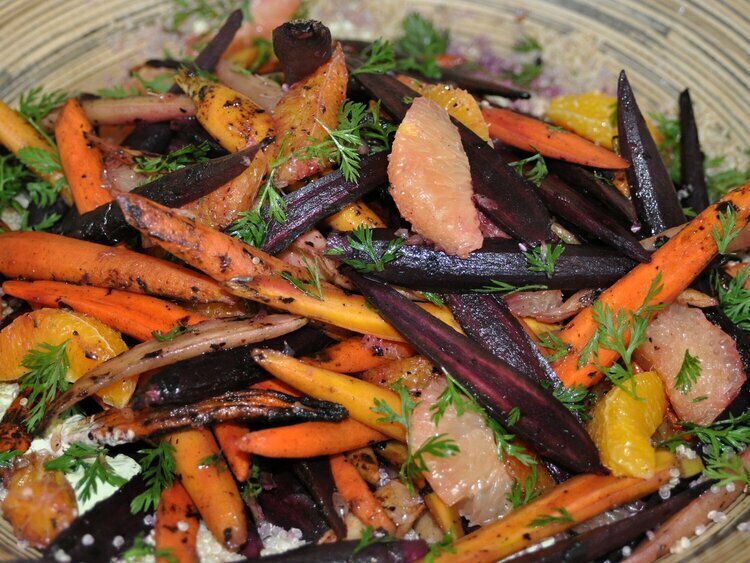

GRILLED CARROTS AND CITRUS WITH HERBED YOGURT, CRISPY QUINOA AND FENNEL
Serves 4
Ingredients
-
1 15-o1 lb. multicolored carrots, grilled and split
-
Olive oil
-
2 cups cooked quinoa
-
2 tbsp raisins
-
1 tbsp toasted almonds
-
Pinch of ras el hanout
-
3 tbsp crispy quinoa
-
4 orange segments
-
4 blood orange segments
-
4 grapefruit segments
-
12 slices crispy fennel
-
1 bunch carrot tops (for garnish)
For Yogurt
-
1 cup Greek yogurt
-
1 tsp dill
-
1 tsp parsley
-
1 tsp tarragon
-
1 tsp green curry leaves
Procedure
-
Blanch and shock carrots in boiling water until tender, but not soft.
-
Dry the carrots, then toss in olive oil, and place on a hot grill until you see decent burn marks. Set aside.
-
Place water and quinoa in a pot and cook on high until the water reaches a boil. Reduce temperature to low and cover for 15 -20 minutes until done. Then uncover pot and fluff quinoa with a fork, leave uncovered and mix with a pinch of ras el hanout.
-
Mix raisins and toasted almonds into the cooked quinoa.
-
Mix Greek yogurt with fresh herbs (dill, parsley, tarragon, curry leaves, etc.). Plate on the dish in a sweeping fashion.
-
Place grilled carrots, orange segments and grapefruit segments onto each plate.
-
Garnish with crispy fennel, carrot tops and crispy quinoa.
Lemon Pudding Cake with Fresh Mixed Berries
Serves 4
Ingredients
-
1 tbsp unsalted butter
-
2/3 cup sugar
-
2 eggs, separated
-
2/3 cup reduced fat buttermilk
-
2 tbsp lemon juice
-
1 tbsp lemon zest
-
¼ cup all-purpose flour
-
¼ teaspoon salt
For Garnish
-
1 cup fresh raspberries
-
1 cup fresh blueberries
-
1 cup fresh blackberries
-
2 tbsp confectioners’ sugar
Procedure
-
Preheat oven to 325°F. Butter and lightly sugar 4 ramekins (about 1-cup size).
-
In a mixer, add egg yolks, buttermilk, lemon juice and lemon zest and beat until well combined. Reduce the speed to low and sift in flour, sugar and salt. Continue to mix until combined. In a separate large bowl, beat egg whites until stiff. Slowly fold in the egg whites into the buttermilk mixture, adding a little at a time. Divide evenly amongst ramekins and bake in a water bath (fill a roasting tray with water halfway up the sides of the ramekins).
-
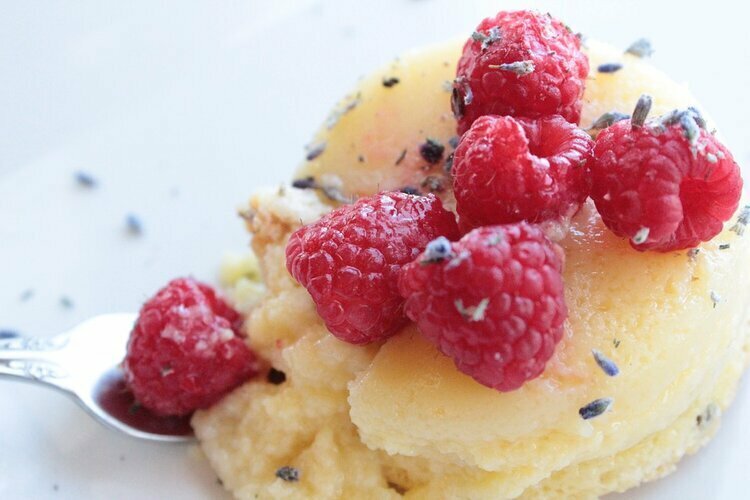
Bake for 60 minutes until the top springs back when gently pressed and the cakes have a nice golden brown color. Allow to cool slightly, then carefully invert onto a plate. Serve with fresh berries and dust with powdered sugar.
Sweet Potato Gnocchi
Serves 10-12
Ingredients
-
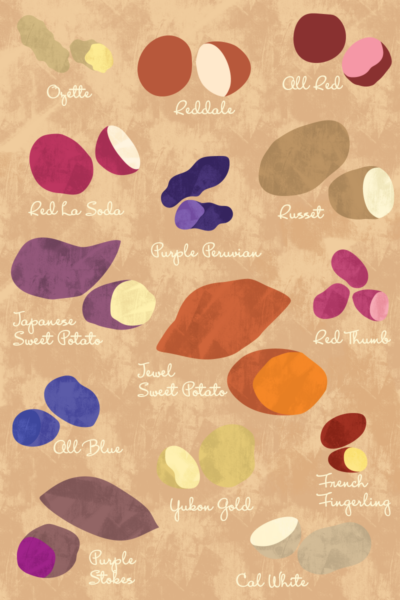
2 1 lb red-skinned sweet potatoes, rinsed, patted dry, pierced all over with fork
-
1 12 oz container fresh ricotta cheese, drained in sieve 2 hours
-
1 cup finely grated Parmesan cheese (about 3 ounces)
-
2 tbsp (packed) golden brown sugar
-
2 tsp plus 2 tbsp salt
-
½ tsp freshly ground nutmeg
-
2¾ cups (about) all-purpose flour
Procedure
-
Line a large baking sheet with parchment paper. Place sweet potatoes on plate; microwave on high until tender, about 5 minutes per side or bake at 375 degrees until soft, about 20 minutes. Let cool.
-
Cut in half and scrape sweet potato flesh into medium bowl and mash; transfer 3 cups to large bowl. Add ricotta cheese; blend well. Add Parmesan cheese, brown sugar, 2 teaspoons salt and nutmeg then mash to blend. Mix in flour, about a ½ cup at a time, until soft dough forms.
-
Turn dough out onto floured surface; divide into 6 equal pieces. Rolling between palms and floured work surface, form each piece into 20-inch-long rope (about 1-inch in diameter), sprinkling with flour as needed if sticky. Cut each rope into 20 pieces. Roll each piece over tines of fork to indent. Transfer to baking sheet.
-
Bring a large pot of water to boil; add 2 tablespoons of salt and return to boil. Working in batches, boil gnocchi until tender, for about 5 to 6 minutes.
-
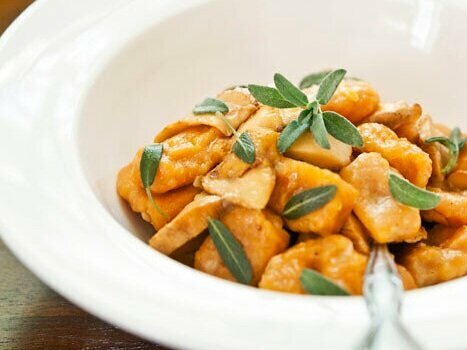
Divide gnocchi and sauce among shallow bowls.




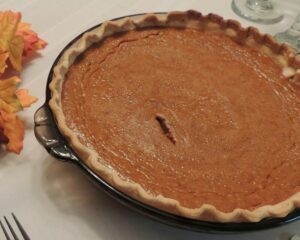
Yields Two 10” Pies
Ingredients
For Flaky Pie Dough
-
12 ½ oz bread flour
-
1 tsp salt
-
8 oz cold, unsalted butter
-
2 ½ oz cold shortening
For Filling
-
5 eggs
-
3 cups cooked pumpkin puree
-
12 oz granulated sugar
-
1 tsp salt
-
2 tsp ground cinnamon
-
1 tsp ground ginger
-
½ tsp ground cloves
-
3 ½ cups half and half
-
1 pt heavy cream
-
1 tbsp granulated sugar
Procedure
For the Flaky Pie Dough
-
Combine the flour and salt in a bowl. Add the firm butter and shortening to the flour and pinch the fat to the size of a hazelnut with your fingertips.
-
Add the ice water and mix with your hands just until the dough comes together. The butter should be lumpy. Gather the dough into a ball and flatten it into a disc to help it chill faster.
-
Cover the pie dough and allow it to rest in the refrigerator for at least 1-2 hours before using. This step is important to allow the dough to hydrate, since the flour absorbs some of the moisture. Roll the dough out so it is 1/8 inch thick and large enough so it extends about 1 inch beyond the edge of the pie pan. Use the knuckle of your right index finger and the tips of your left thumb and index finger to bend the tip of the dough into an evenly spaced fluted design. Cover the dough in the pan with baking paper and fill the shell with dried bean or pie weights. Bake the shell at 375° F until the dough is set but has not yet started to color (about 12 minutes). Let the shell cool completely and then remove the paper or plastic and bean or pie weights.
For the Pumpkin Filling
-
Beat the eggs lightly to mix. Stir in the pumpkin puree. Mix together the first measure of granulated sugar, the salt, cinnamon, ginger and cloves. Add this to the egg mixture. Stir in the half and half. Divide the filling evenly between the pie shells.
-
Bake at 375°F for approximately 45-50 minutes or until the filling has puffed slightly and is firm around the edges. Let the pie cool.
-
Whip the heavy cream with the second measure of granulated sugar until stiff peaks form. Slice the pies and serve at room temperature with a large dollop of whipped cream.