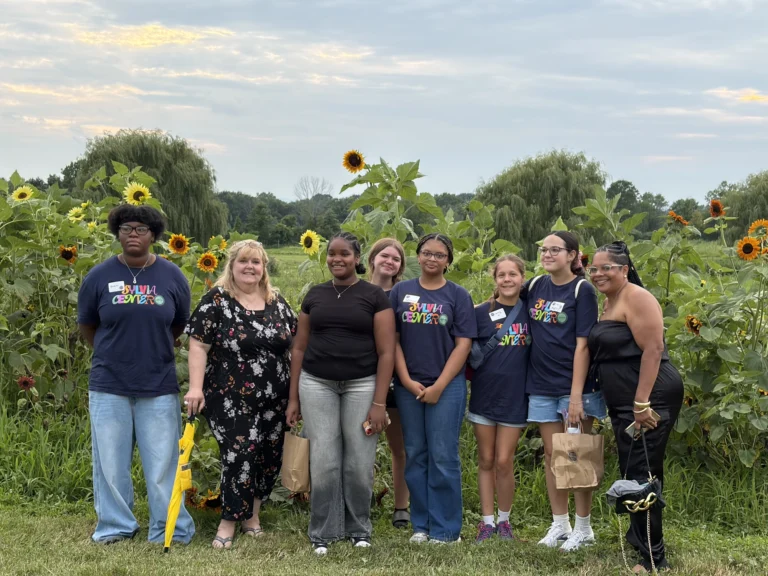
CSA season is almost here, and at Katchkie Farm—the same place our students harvest vegetables, explore ingredients, and cook together in The Sylvia Center’s Learning Garden—the first weeks of the growing season are some of the most exciting.
Radishes, garlic scapes, fresh herbs, zucchini, tender greens: late spring and early summer produce is vibrant, packed with flavor, and needs very little intervention to shine. Across our programs, students learn about seasonality by tasting, harvesting, and cooking with produce in real time, whether they’re pulling radishes from the ground at the farm or experimenting with fresh herbs in the kitchen. Hands-on experiences like these help kids build curiosity, confidence, and stronger connections to healthy food while making fresh produce feel more approachable.
As CSA boxes begin filling up, we wanted to share a few simple storage tips, easy recipes, and kid-approved ways we use early summer veg in our programs and at home.
1. Blend Your Herbs Into a Dressing or a Sauce
Fresh herbs like cilantro and parsley can wilt quickly, especially during late spring’s temperature swings. To help them last longer, trim the stems and store them upright in a jar with a little water in the fridge, loosely covered with a reusable bag or paper towel.
If your herbs do start to wilt, don’t let them go to waste. One of our favorite ways to use them in our programs is blended into punchy sauces and dressings that instantly wake up grains, salads, roasted vegetables, or grilled proteins.
Our students particularly love a herb-packed green goddess-style dressing blended with scallions, lemon, garlic, and yogurt, tossed with radicchio or kale. We also love Rof, a bright Senegalese herb sauce made with parsley, scallions, garlic, and chile, delicious spooned over rice, eggs, or roasted vegetables.
2. Make Radishes the Star of the Show
Radishes are one of spring’s most versatile vegetables: crisp, peppery, refreshing, and packed with flavor. Slice them thinly into salads, dip them whole in room-temperature butter and flaky salt, or roast them with olive oil until mellow and sweet.
For an easy lunch, toss cooked and cooled grains with sautéed asparagus and peas, sliced radishes, scallions, spinach, fresh herbs, lemon juice, olive oil, and feta. It’s bright, crunchy, and endlessly adaptable depending on what’s in your box that week.
Pro tip: remove radish greens before storing, then keep the radishes submerged in cold water in the fridge to help them stay crisp longer.
3. Don't Sleep on Garlic Scapes
Garlic scapes only appear for a few short weeks each year, making them one of early summer’s special ingredients. Their flavor is mild and fresh, somewhere between garlic, scallions, and chives.
Students in our programs often chop garlic scapes into pasta, stir them into eggs, or blend them into pistou with spinach, basil, lemon, and olive oil.
If you’re cooking with kids at home, garlic scapes are great for taste tests and ingredient comparisons: raw vs. cooked, blended vs. chopped, mild vs. pungent. Small experiments like these help build familiarity and confidence around new foods while getting kids excited about hyper-seasonal produce.
4. Use Leaves Generously
Kale, radicchio, beet greens, and turnip greens can all taste completely different depending on how they’re prepared. That’s something we emphasize across The Sylvia Center’s programs: trying ingredients in multiple forms helps young people discover what they actually enjoy.
Raw kale becomes more tender when massaged with lemon juice and olive oil. Radicchio mellows when roasted or grilled. Beet greens can be sautéed with garlic and folded into grains or pasta. One favorite combination from our kitchens: a salad of radicchio, herbs, cucumbers, and green goddess dressing.
5. Let the Season Guide the Meal
We teach our students that seasonal cooking doesn’t always need a strict recipe. It can be simple: start with what’s fresh, add flavor and texture, and build from there.
That might mean soba noodles tossed with charred scallions, greens folded into fried rice, roasted zucchini layered onto buttery toast, or a pasta bowl assembled from whatever vegetables are left in the fridge.
Cooking this way helps build flexibility and confidence in the kitchen while creating a strong connection to the seasons, the farm, and the food on our plates. At The Sylvia Center, those moments of curiosity and discovery are at the center of everything we do.
Join us at Katchkie Farm this summer for The Sylvia Center’s annual Farm to Table benefit celebrating seasonal food, community, and hands-on culinary education—get your tickets now!
Photo Credit:
Margarita Garcia for The Sylvia Center
https://www.margaritagarciaa.com/