Springtime at Katchkie Farm Getting Ready for our CSA
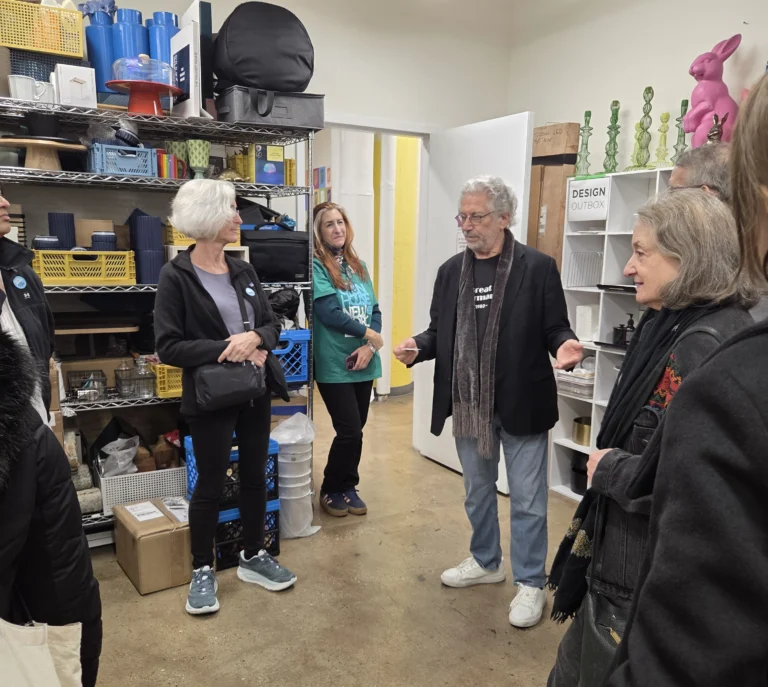
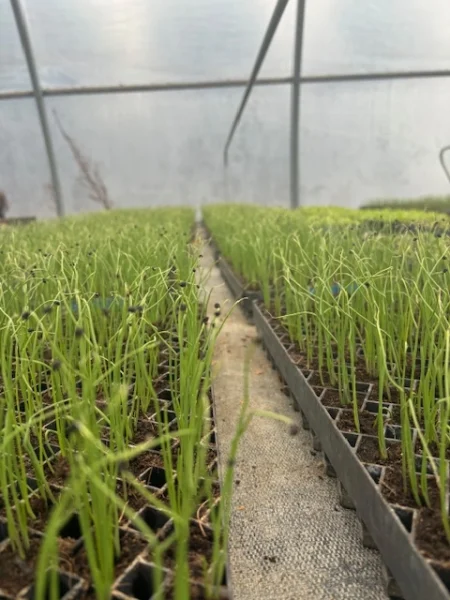
Farmer Jon Ronsani has spent the winter getting ready for the new season at Katchkie Farm. Winter months were spent studying the latest research on regenerative
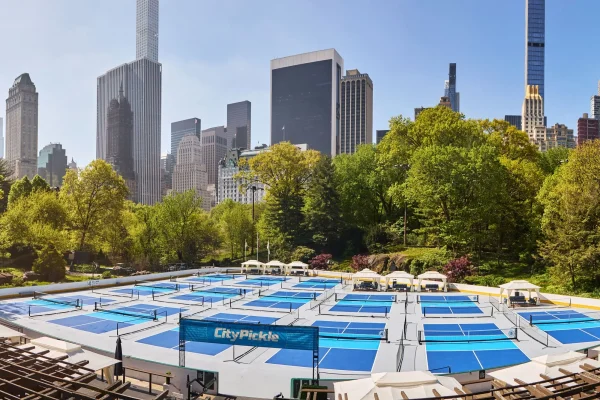
Exciting Events Around New York: April 2025
Check out live music, film, art and more at our partner venues this month.

Exciting Events Around The Bronx: April 2025
Check out community celebrations, outdoor events, and unique experiences in the Bronx this month.
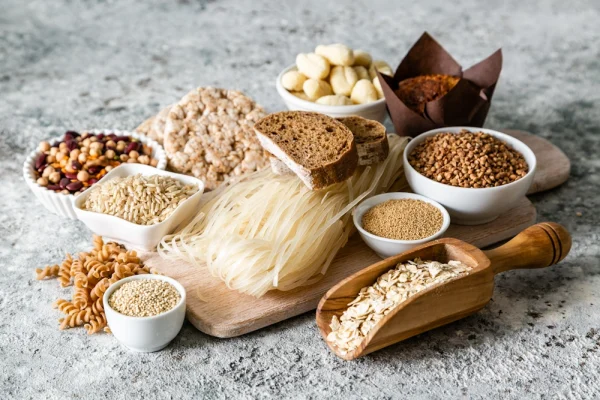
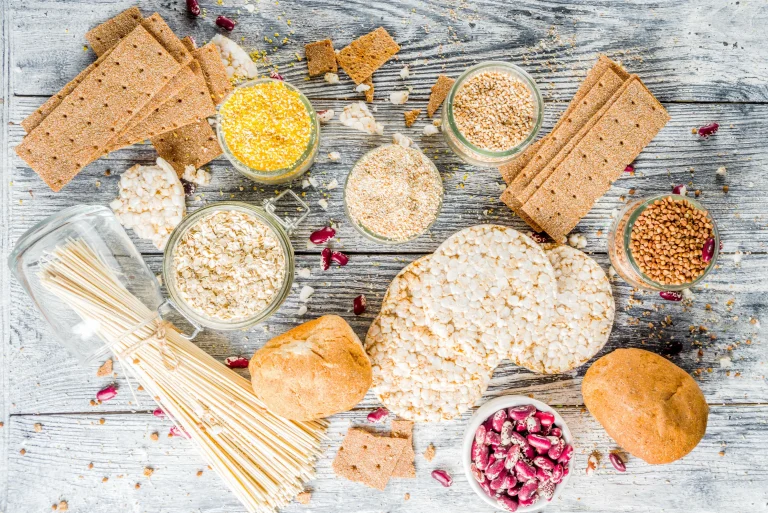
Wrapping Up Gluten-Free February: A Month of Flavor and Discovery
Gluten-Free February was a month of discovery, delicious recipes, and culinary creativity—proving that great food knows no limits. Let’s keep the inspiration going!
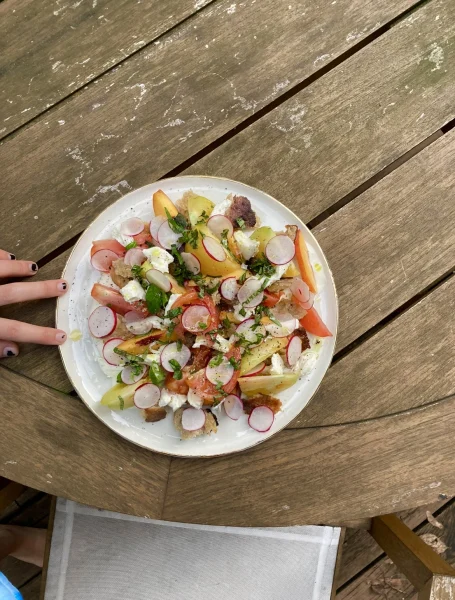
More Than Just a Meal: The Performance of Making a Salad
Milly Berman, Event Coordinator, grew up in Brooklyn and still calls Park Slope home. A recent Wesleyan University graduate with a professional chef certification from Rouxbe
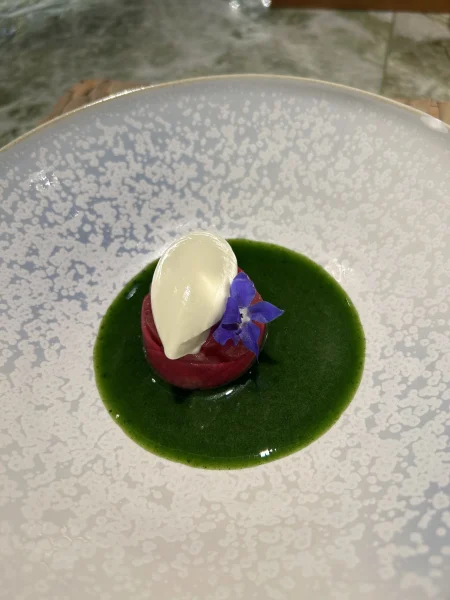
Morgan Golumbuk’s Food Tour of Mexico and Oaxaca
At Great Performances, we know that the best culinary experiences start with curiosity, adventure, and an open mind—qualities that Morgan Golumbuk embodies in every bite. As
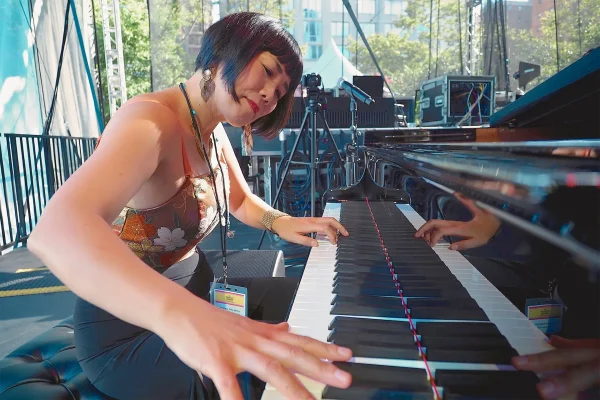
Exciting Events Around New York: March 2025
Check out live music, film, art and more at our partner venues this month.
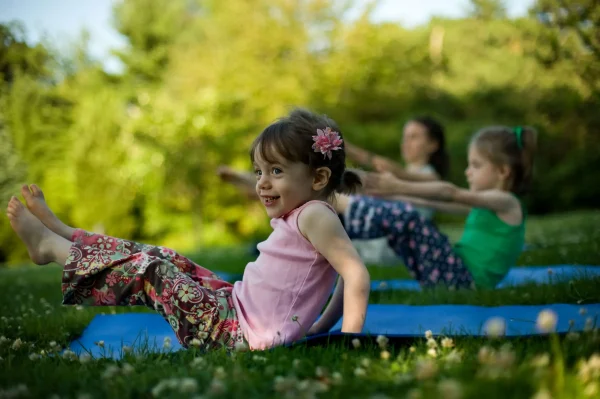
Exciting Events Around The Bronx: March 2025
Check out community celebrations, outdoor events, and unique experiences in the Bronx this month.

Celebrating Love in the City
Looking for the perfect date night spot this year for Valentine’s Day? We have lots of great options to share!
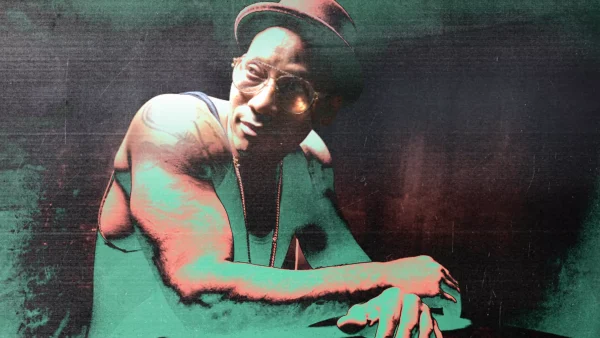
Exciting Events Around New York: February 2025
Check out live music, film, art and more at our partner venues this month.
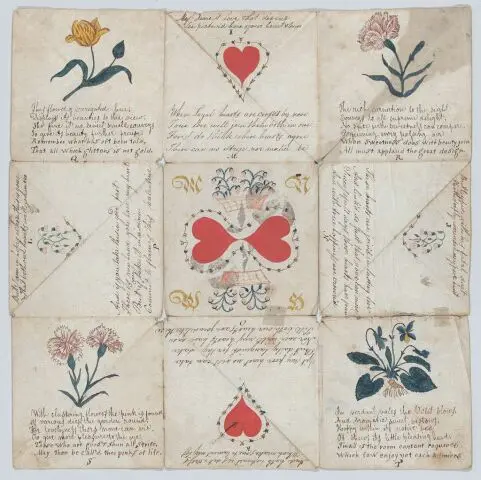
Exciting Events Around The Bronx: February 2025
Check out community celebrations, outdoor events, and unique experiences in the Bronx this month.
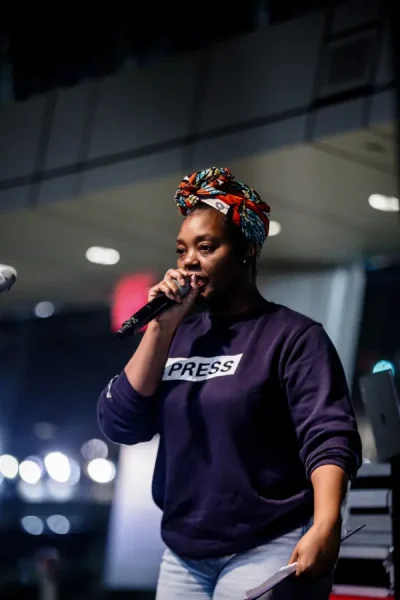
Exciting Events Around New York: January 2025
Check out live music, film, art and more at our partner venues this month.