
Exciting Events Around New York: August 2025
Check out live music, film, art and more at our partner venues this month.

Exciting Events Around The Bronx: July 2025
Check out community celebrations, outdoor events, and unique experiences in the Bronx this month.

Exciting Events Around New York: July 2025
Check out live music, film, art and more at our partner venues this month.

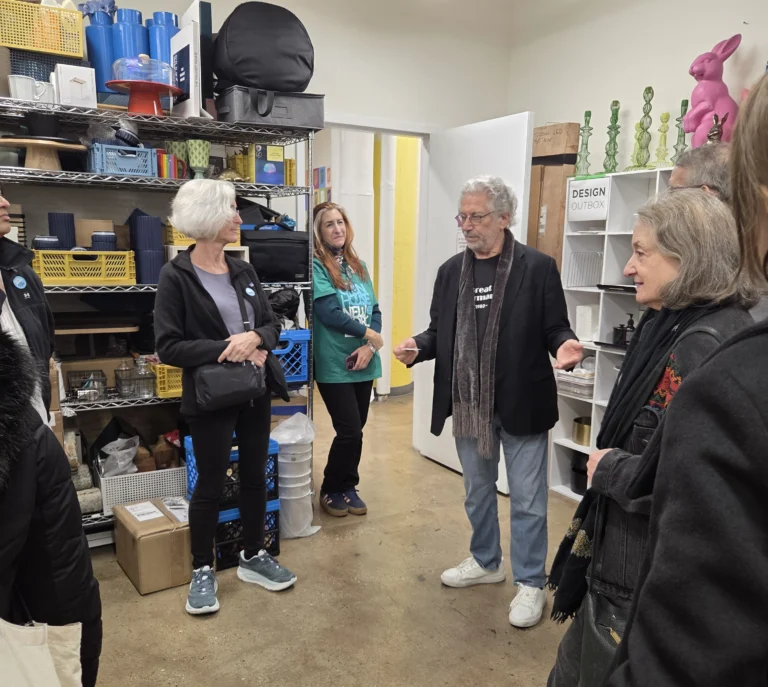
Meet the Team: Event Design | Jason
From bold visual concepts to handcrafted details, Jason brings events to life as part of Great Performances’ in-house design team. Discover how his creative process turns

The Katchkie Pantry: Preserved with Purpose, Shared with Love
Each summer, as Katchkie Farm comes into full bloom, we find ourselves asking the same question: how can we hold on to these fleeting flavors just

Exciting Events Around New York: June 2025
Check out live music, film, art and more at our partner venues this month.

Exciting Events Around The Bronx: June 2025
Check out community celebrations, outdoor events, and unique experiences in the Bronx this month.

Where History Meets Hospitality: Welcome to Clara Restaurant
We’re thrilled to announce the opening of Clara Restaurant at The New York Historical. The newest addition to the Great Performances family, it’s a long-awaited collaboration

Exciting Events Around New York: May 2025
Check out live music, film, art and more at our partner venues this month.

Exciting Events Around The Bronx: May 2025
Check out community celebrations, outdoor events, and unique experiences in the Bronx this month.

Chefs’ Choir: Celebrating Earth Month
Great Performances’ Chefs’ Choir℠ welcomes spring with vibrant recipes and cherished traditions, from Tatiana’s fresh sprout salad to Anastassia’s comforting, homemade pelmeni.
Chef’s Choir: Anastassia’s Tips for Sustainability
At Great Performances, food is woven into every moment from a quick coffee break to a grand celebratory feast. We bring this belief to life through