I came to nutrition through people, not only through science and health.
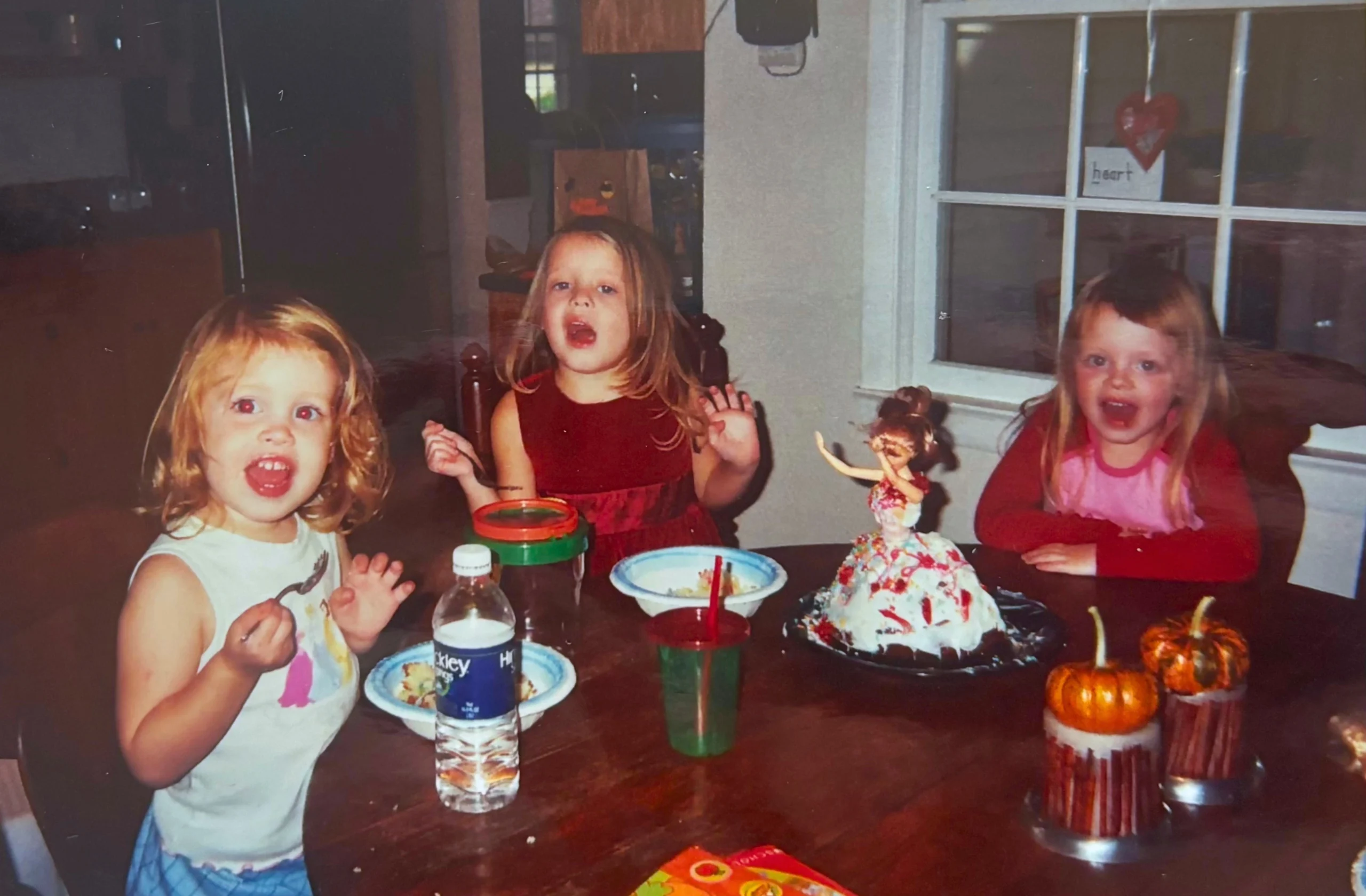
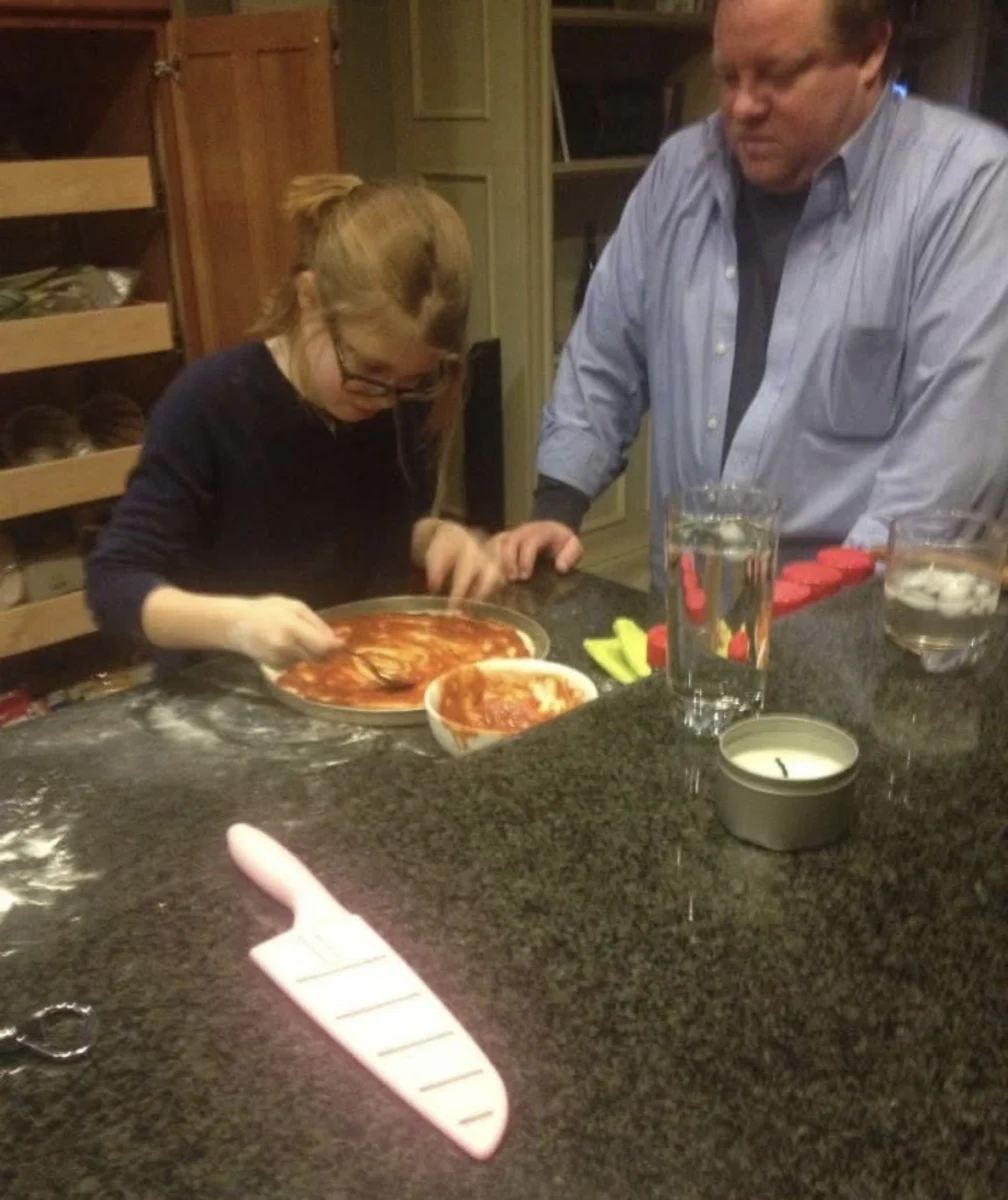
I grew up in Chicago, and my dad taught me and my sister the importance of connecting to food: where it comes from, who you share it with, and what it feels like to make something together. We regularly had “Chopped” nights at home, where we made food from an assortment of random ingredients, and he grew vegetables in small gardens that allowed us to see where our food was coming from. My parents were deeply compassionate people: we spent a lot of time volunteering in community kitchens, and I was in environmental programs from a young age. Those experiences planted seeds early, even if I didn’t realize it then.
Food Is About More Than Food
Years later, my dad had a medical emergency that resulted in a traumatic brain injury and seizure disorder. I saw firsthand the connection and healing that food can bring. We’d eat something he made us as kids, and he’d have a spark of comfort, of happiness. My mom is an incredible working parent, and didn’t always have time to cook. When my step dad became part of the family—and taught us to make lemon chicken—we found time to sit down for family meals, and we cherished it. It made something very clear to me: food is not just about taste or nutrients. It’s about memory, culture, and humanity.
That understanding is what led me into this work—studying nutrition and public health, training to become a Registered Dietitian Nutritionist, and working as a Chef Educator at The Sylvia Center. It also makes me realize that too often, nutrition is discussed without considering the person in front of you.
When Nutrition Becomes Noise
Conversations around nutrition have become noisy, moralized, and disconnected from how people actually live. In the media and online, advice is often reduced to black-and-white (and often contradictory) rules—what to eat, what to avoid, what your choices say about you—without acknowledging the systems that shape people’s options. But there’s only so much someone can do in a broken system.
There’s no one-size-fits-all solution. Everyone has a different relationship to food, shaped by culture, access, health, time, and experience. You can’t separate nutrition from those realities—and you can’t support people by ignoring them. In nutrition counseling, there’s something called the “expert trap”—the idea that if you just give people the right information, they’ll change. But it doesn’t work like that.
The System
We talk about food deserts, food swamps, and rising diet-related disease—but many experts still place responsibility on individuals.
At the same time, we live in a food environment shaped by convenience, limited time, and unequal access. Monocropping dominates what America grows, and even farmers themselves often can’t eat a varied diet from what they produce—corn, soy, and wheat. Most people are doing the best they can within those constraints. The systems around food are complex, and the barriers are real. But at a community level, the work begins somewhere much simpler—even if it isn’t easy. It begins by recognizing that food is not just about nutrients or outcomes—it’s about people.
When we talk about nutrition without the systems we live in—without humanity—we miss the point. And we end up giving advice that isn’t just unhelpful—it’s unrealistic.
The Classroom
This is why I feel so lucky to work at The Sylvia Center: we take a different approach. In our classrooms, students cook. They chop, season, taste, and adjust. They learn to hold a knife safely, balance flavors, and talk about what they’re tasting. They’re not just following recipes—they’re making decisions.
Some students come in unsure or hesitant. They don’t recognize the ingredients or aren’t sure they’ll like what they’re making. By the end of class, they’ve tried it, changed it, and are excited to make it again.
What we’re building is agency: the confidence to try something new, express a preference, and trust their judgment—whether that’s cooking more at home, trying new ingredients, or making small shifts toward whole foods. We introduce our kids to a wide range of ingredients and cultural foodways, and we create space for students to say what they actually think—what they like, what they don’t, and what they’d change.
Those small moments plant seeds. Over time, they take root. They make food feel more familiar, accessible, and less intimidating. That’s how change actually happens.
About Grace McKillip
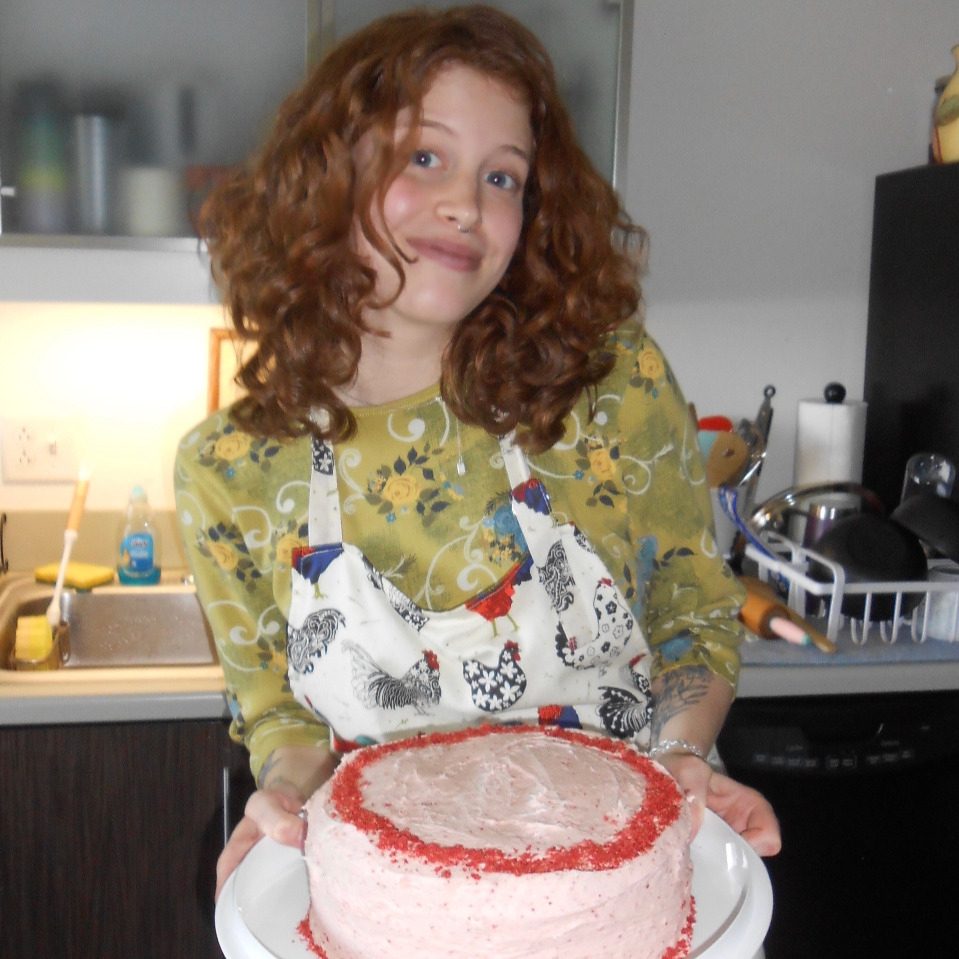
Grace McKillip is a Chef Educator with The Sylvia Center and a graduate of the University of Vermont, where she earned her B.S. in Dietetics. She is currently pursuing her MS-RDN at Teachers College, Columbia University. Originally from Chicago, Grace also calls Virginia home, where her mom runs a small farm. A former cake decorator, she loves baking, cycling, and yoga, and believes food is one of the most powerful ways to build community and connection. Grace is excited to combine her nutrition studies with hands-on education, helping students discover joy, creativity, and confidence in the kitchen.