Each month, our Food Festival series celebrates a dish through its ingredients, preparation, personal stories, and the traditions that bring food to our tables. Some dishes are simply delicious. Others invite us to look more closely at where our food comes from, and the journeys it has taken to reach us.
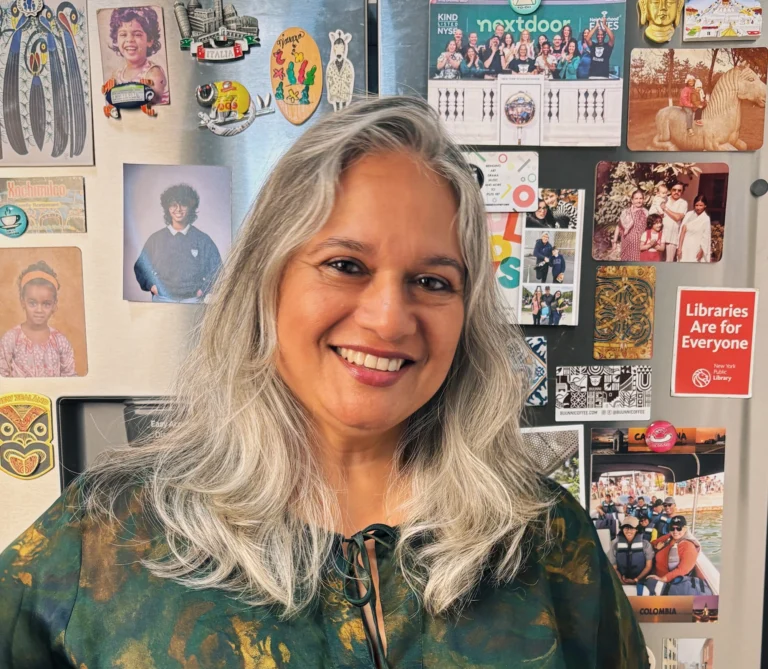
For Sonia Usmar, Moqueca is one of those dishes.
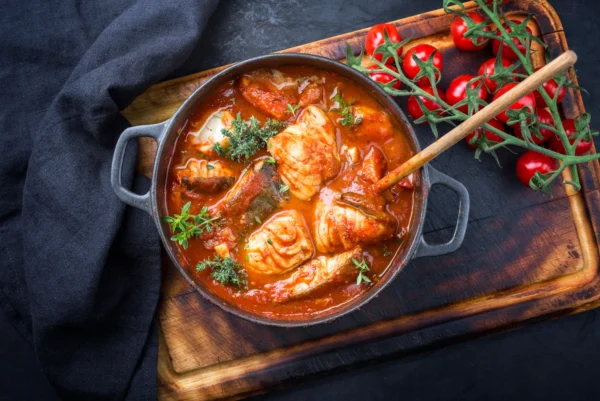
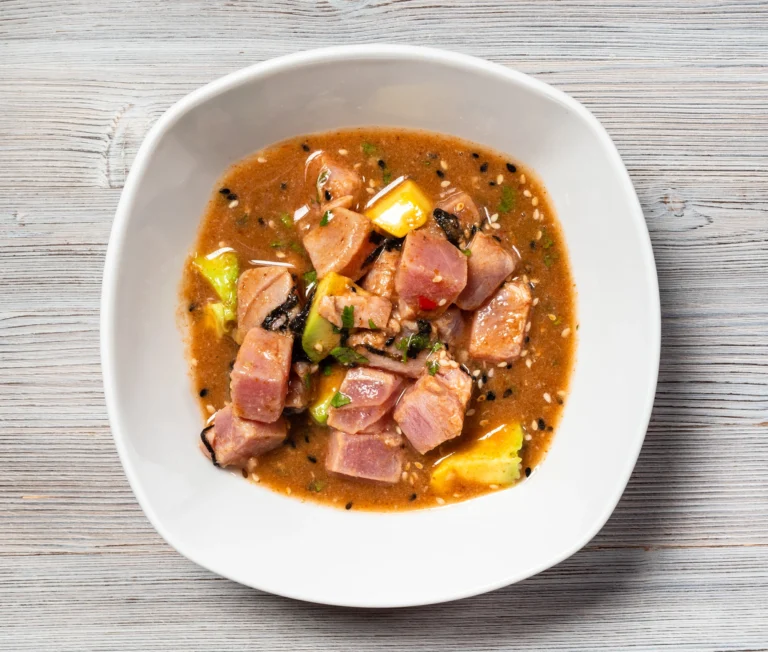
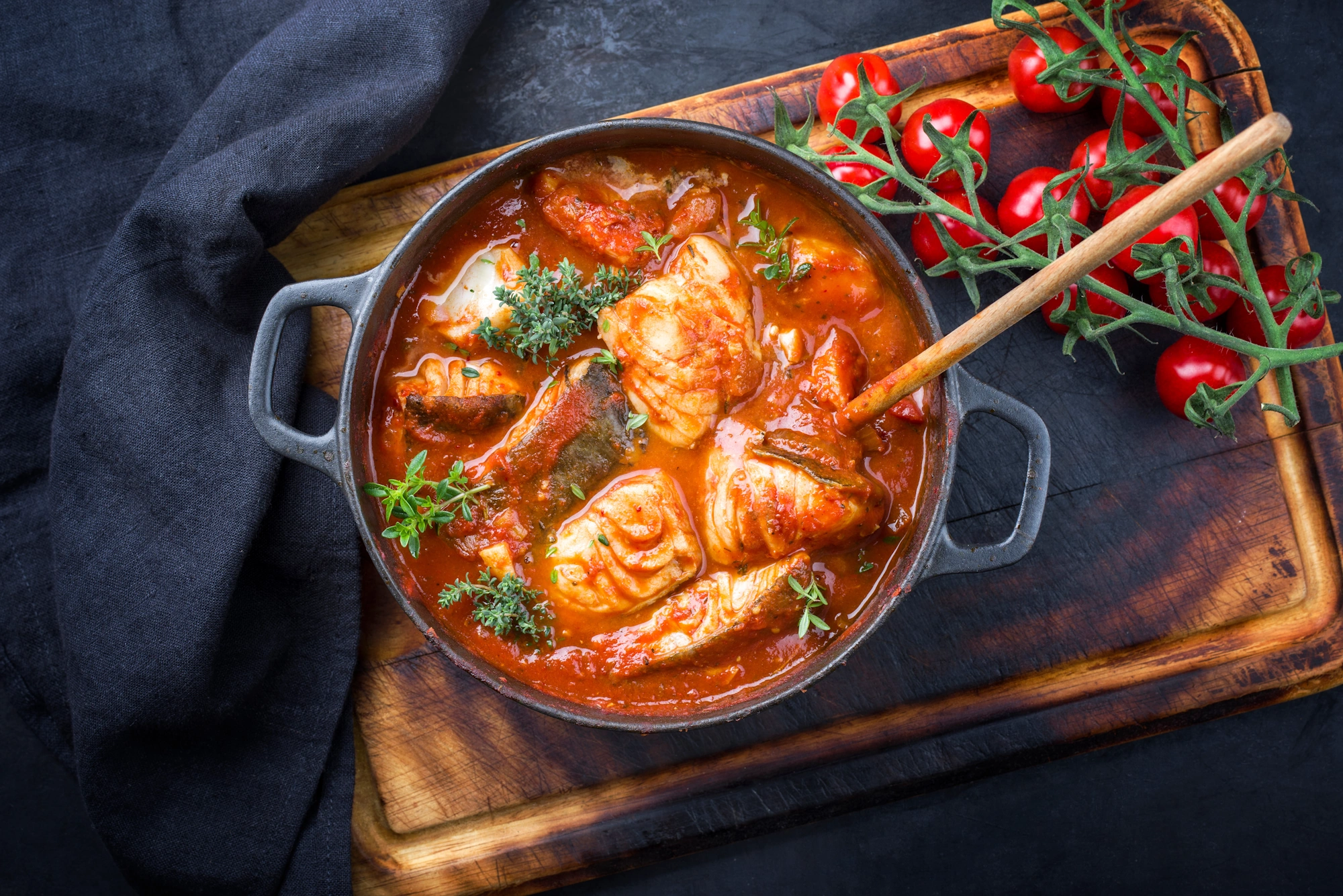
Moqueca is a Brazilian seafood or fish stew, particularly associated with Bahia, made with a rich, deeply flavored sauce and dende oil, also known as palm oil. The result is a dish that is creamy, fruity, aromatic, and beautifully colored, with the distinctive deep red-orange hue that dende brings to the pot.
Ingredient Spotlight: Dende Oil
Dende oil is derived from the fruit of the African oil palm, a tree with deep roots in West Africa. The movement of oil palm seedlings from West Africa to Brazil occurred within the history of the transatlantic slave trade, including their arrival in Bahia, where the influence of West African foodways became an important part of the region’s cuisine.
Dende is familiar in many West African dishes, where it contributes a rich creaminess, fruity flavor, and striking color. In Moqueca, that influence is particularly apparent. The oil can form part of the base of the dish while also being used as a finishing dressing, allowing its distinctive flavor to remain present from the first spoonful to the last.
For Sonia, this connection is personal.
As a West African, palm oil was part of her culinary upbringing. At the same time, coconut has always held a special place in the food traditions of the West Indies. Sonia’s many trips to the Caribbean, and her fond memories of Jamaican cuisine, have reinforced that connection.
Different countries, different dishes, different culinary traditions, but many of the ingredients tell a shared story.
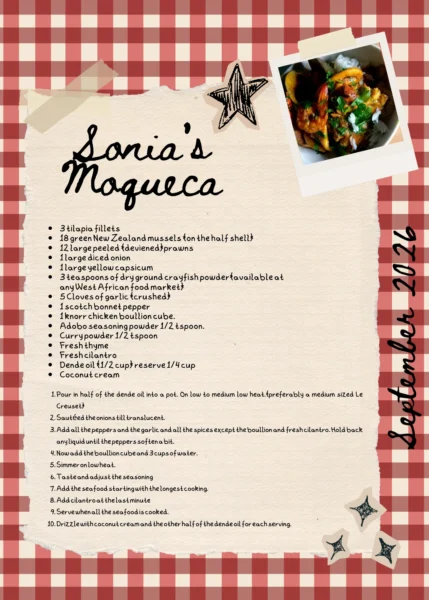
Recipe: Moqueca
Moqueca is the kind of dish that can be enjoyed at almost any time of day, although it is most commonly served as a lunch or dinner meal. Its richness makes it especially satisfying when paired with something that can absorb the sauce.
Ingredients
- 3 tilapia fillets
- 18 green New Zealand mussels (on the half shell)
- 12 large peeled (deveined)prawns
- 1 large diced onion
- 1large yellow capsicum
- 3 teaspoons of dry ground crayfish powder(available at any West African food market)
- 5 Cloves of garlic (crushed)
- 1 scotch bonnet pepper
- 1 knorr chicken bouillon cube.
- Adobo seasoning powder 1/2 teaspoon.
- Curry powder 1/2 teaspoon
- Fresh thyme
- Fresh cilantro
- Dende oil (1/2 cup) reserve 1/4 cup
- Coconut cream
Preparation
- Pour half of the dende oil into a pot. On low to medium low heat.(preferably a medium sized Le Creuset)
- Sautéed the onions till translucent.
- Add all the peppers and the garlic and all the spices except the bouillon and fresh cilantro. Hold back any liquid until the peppers soften a bit.
- Now add the bouillon cube and 3 cups of water.
- Simmer on low heat.
- Taste and adjust the seasoning
- Add the seafood starting with the longest cooking.
- Add cilantro at the last minute
- Serve when all the seafood is cooked.
- Drizzle with coconut cream and the other half of the dende oil for each serving.
- Serve immediately with rice or couscous.
Pro Tips from Our Chefs
- Use the freshest seafood you can find. Because seafood is central to the dish, its quality makes a significant difference.
- Don’t substitute olive oil for dende. Dende is not simply a cooking fat; it is an essential part of the dish’s character, contributing its distinctive color, richness, and fruity flavor.
- Cook the seafood gently. One of the easiest ways to compromise a Moqueca is to overcook the fish or seafood.
- Let the dende speak for itself. Using it both in the base and as a finishing dressing allows its flavor and color to remain prominent.
How to Use It: Serving Suggestions
Moqueca is a generous, comforting dish, and Sonia likes to serve it with rice or couscous. Both provide a simple foundation for the rich sauce and allow the flavors of the stew to remain the focus.
It is equally at home as a family lunch, a dinner shared with friends, or an introduction to Brazilian cooking for someone discovering the dish for the first time.
From Our Farm to Your Table: Meet Katchkie Farm and Our CSA
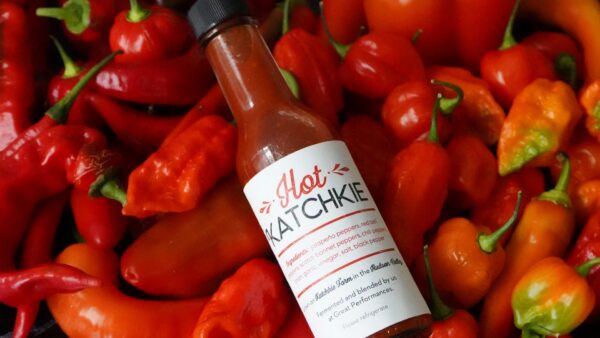
The peppers in this month’s recipe—and many of the ingredients we spotlight—come straight from Katchkie Farm, our organic farm in Kinderhook, NY. It’s where we grow with intention: focusing on flavor, sustainability, and connection to the land.
Through our CSA (Community Supported Agriculture) program, you can enjoy the very best of the season each week—from just-picked produce to specialty pantry items and surprises from our kitchen.
Want a deeper connection to your food? Learn more about our CSA and Katchkie Farm →
Keep Cooking with Us
We’re cooking our way through the seasons—one ingredient at a time. Sign up for our newsletter to get each month’s recipe, tips, and art delivered to your inbox.
Get recipes, seasonal stories, and event tips delivered each month? Sign up for our newsletter →
Related Articles
More from the Food Festival series—seasonal recipes, chef tips, and ingredient inspiration.