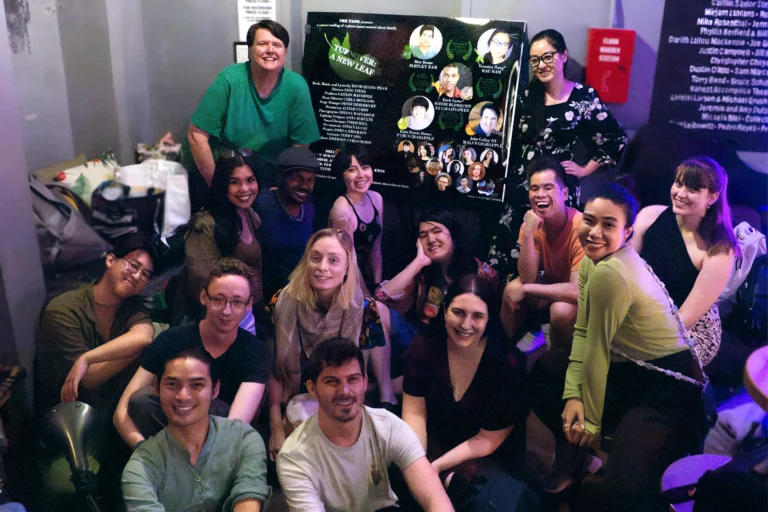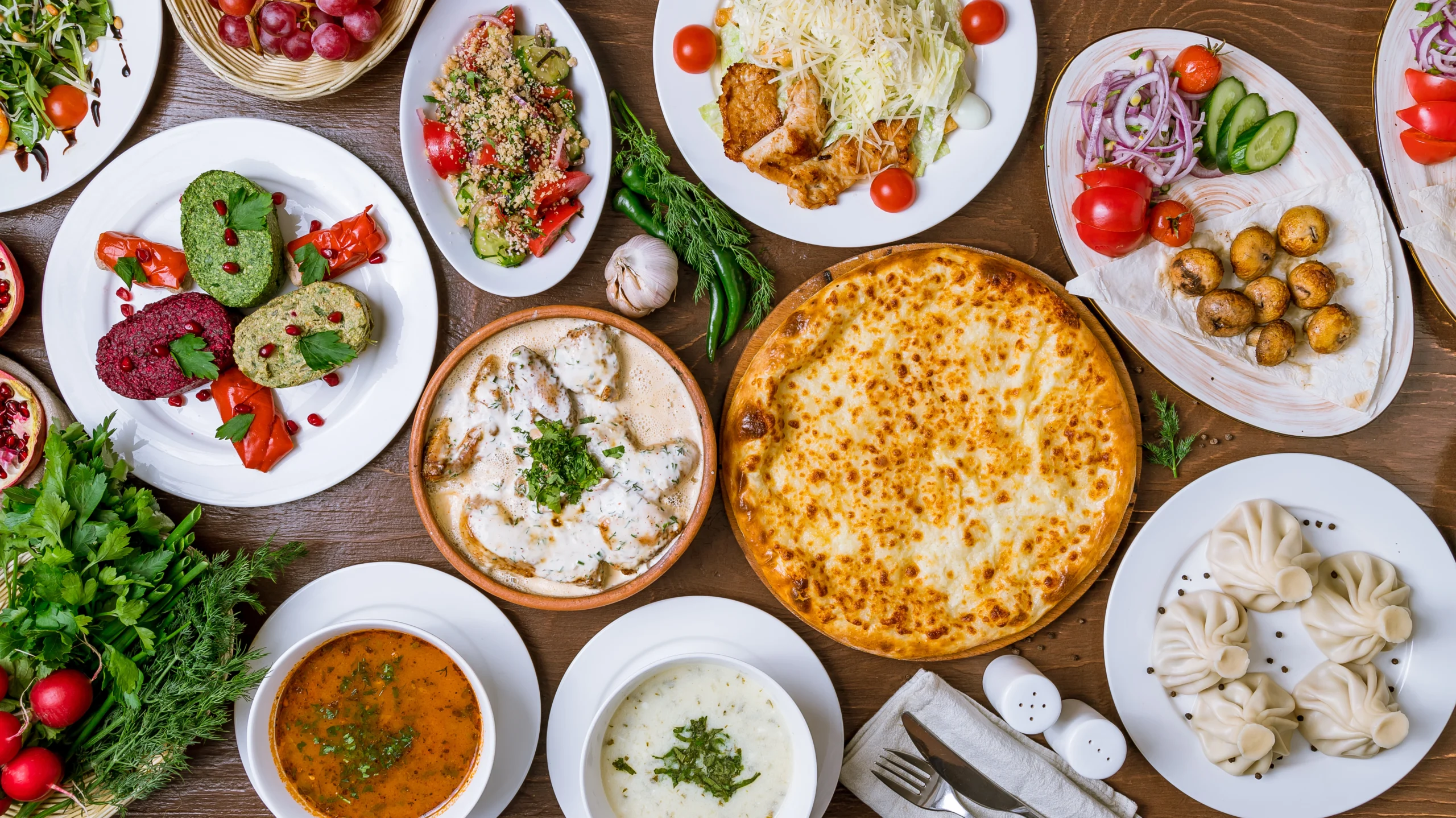
Chef Vano is an Event Chef at Great Performances. He represents Georgia (the country, not the state), where Pkhali (ფხალი), a vegetable pâté, is a common appetizer to a meal.
Dish: Pkhali (ფხალი) Vegetable Pâté
Country: Georgia
About Georgia
One of the key reasons tourists head to the Republic of Georgia is the country’s location in the lower Caucasus Mountain range. This means there is ample hiking (best in spring and fall) as well as skiing in the winter months. But beyond the mountains, which are stunning, the people of Georgia are wonderfully welcoming and hospitable.
When people hear “Georgia,” I always like to clarify—the country, not the state. It’s a small place, but with a very big culinary identity.
In the absence of context, it’s hard to imagine what the Republic of Georgia is like. Located on the edge of the Caucasus Mountains, the country is neighbored by cultures as varied as its topography. Once a stop on the Silk Road, the capital city Tbilisi became a confluence of civilizations over the millennia.
This positioning means many consider Georgia a part of Europe or Asia, depending on who you ask. But the actual vibe is: it’s European. Part of what makes traveling this area so fascinating is the sheer amount of history contained in a small geographic area.
Wine is a big part of Georgian culture and for good reason: archaeologists found the oldest traces of wine production in present-day Georgia, dating back as far as 8,000 BC. Georgians also have a unique clay-jar winemaking process that has been recognized by UNESCO as Intangible Cultural Heritage.
This history is important, alongside its long religious tradition, because Georgians are very proud of their well-preserved cultural heritage and legacy. Christianity came to Georgia in the first century, and today the country is predominantly Eastern Orthodox.
Georgian Cuisine
We Georgians are quite proud of our national cuisine—and it’s also popular in other countries. It’s tasty, but more than that, it’s deeply rooted in tradition and hospitality.
Food and wine are affordable, and we enjoy the ceremony of meals. When Georgians feast, we go all out. Slabs of meat sizzle over grapevine embers—mtsvadi—cheese breads like khachapuri, and soup dumplings called khinkali arrive hot at the table.
But beyond these well-known dishes, there are also quieter staples—things that are always present, always part of the table.
If you are at a Georgian supra (traditional feast), it’s not only about mtsvadi, khachapuri, or khinkali, which are delicious, but I would also recommend the vegetable spreads that sit alongside everything else: pkhali.
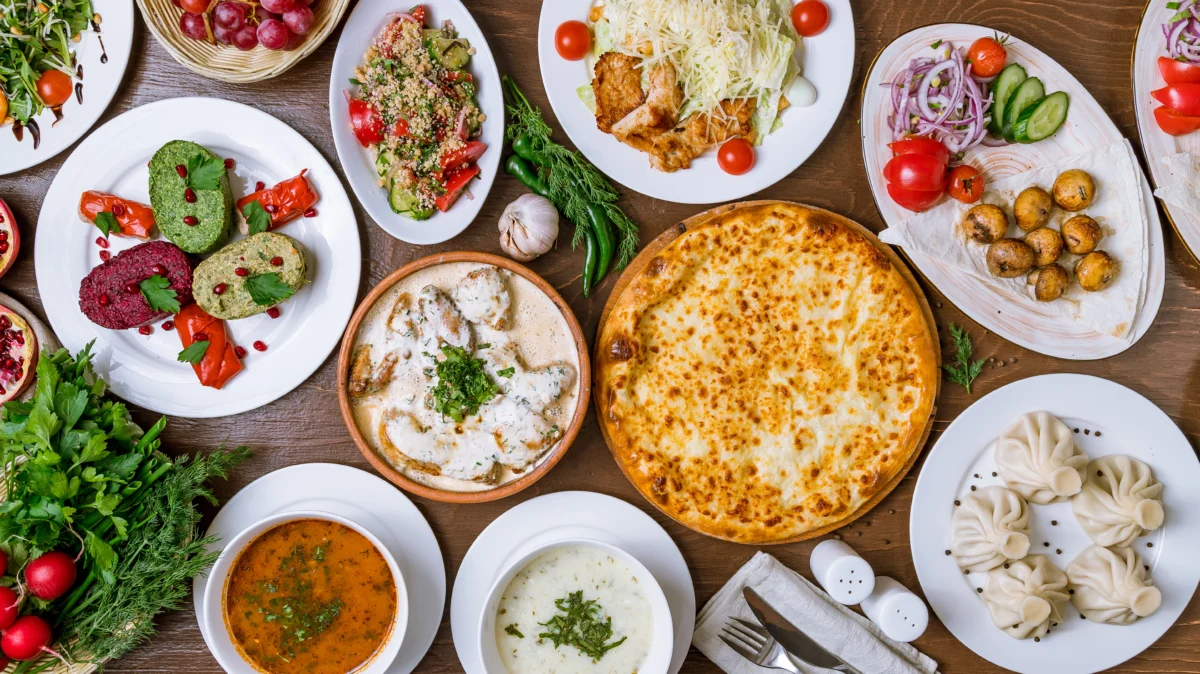
Growing up, I didn’t pay much attention to pkhali because it was always there. Like many everyday foods, you don’t realize how special it is until you leave or see it through someone else’s eyes.
When I started to travel, or when foreigners came to Georgia, I saw how they reacted to it. They discovered these vegetables combined with walnut paste, herbs, and spices—and realized how full and satisfying the flavor is. That’s when I began to see it differently.
What is Pkhali?
Pkhali (ფხალი) is what Georgians call any cooked vegetable combined with walnuts, onions, garlic, herbs, and spices. It is pronounced p-HAH-lee, with a sharp “p” and a deep, guttural “kh” sound, similar to the “ch” in loch.
Some people translate pkhali as “vegetable pâté,” but I think of it as a spreadable salad—or even our version of mezze. It’s something that’s always on the table, served as an appetizer or a shared dish, much like hummus in other cultures.
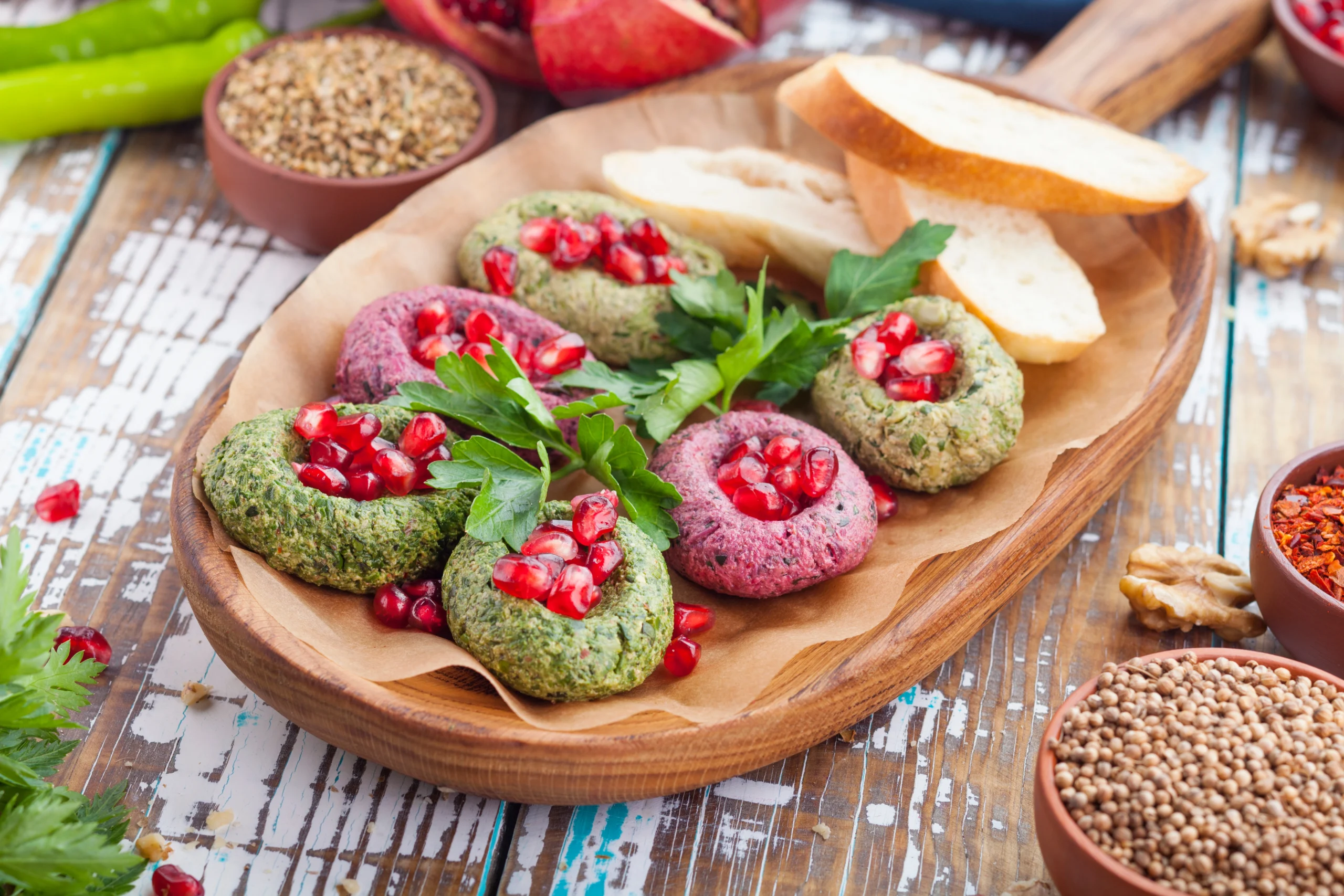
It’s pungent and colorful—red when made with beets, bright green with spinach. Eggplant, carrots, squash, beans, and leeks are also common, and each brings its own texture and flavor.
You can dress pkhali up with pomegranate seeds for an eye-catching starter or serve it simply with warm bread. Traditionally, we eat it with Georgian cornbread, but it pairs very well with American-style cornbread too.
It’s a dish that is very satisfying, very healthy, and completely plant-based—but still rich and full of flavor.
It also represents something essential about Georgian cuisine. There are three ingredients we are especially known for: wine, pomegranate, and walnuts. Pkhali brings all of these ideas together—vegetables, walnuts, and often pomegranate on top—into one simple but meaningful dish.
In the Kitchen
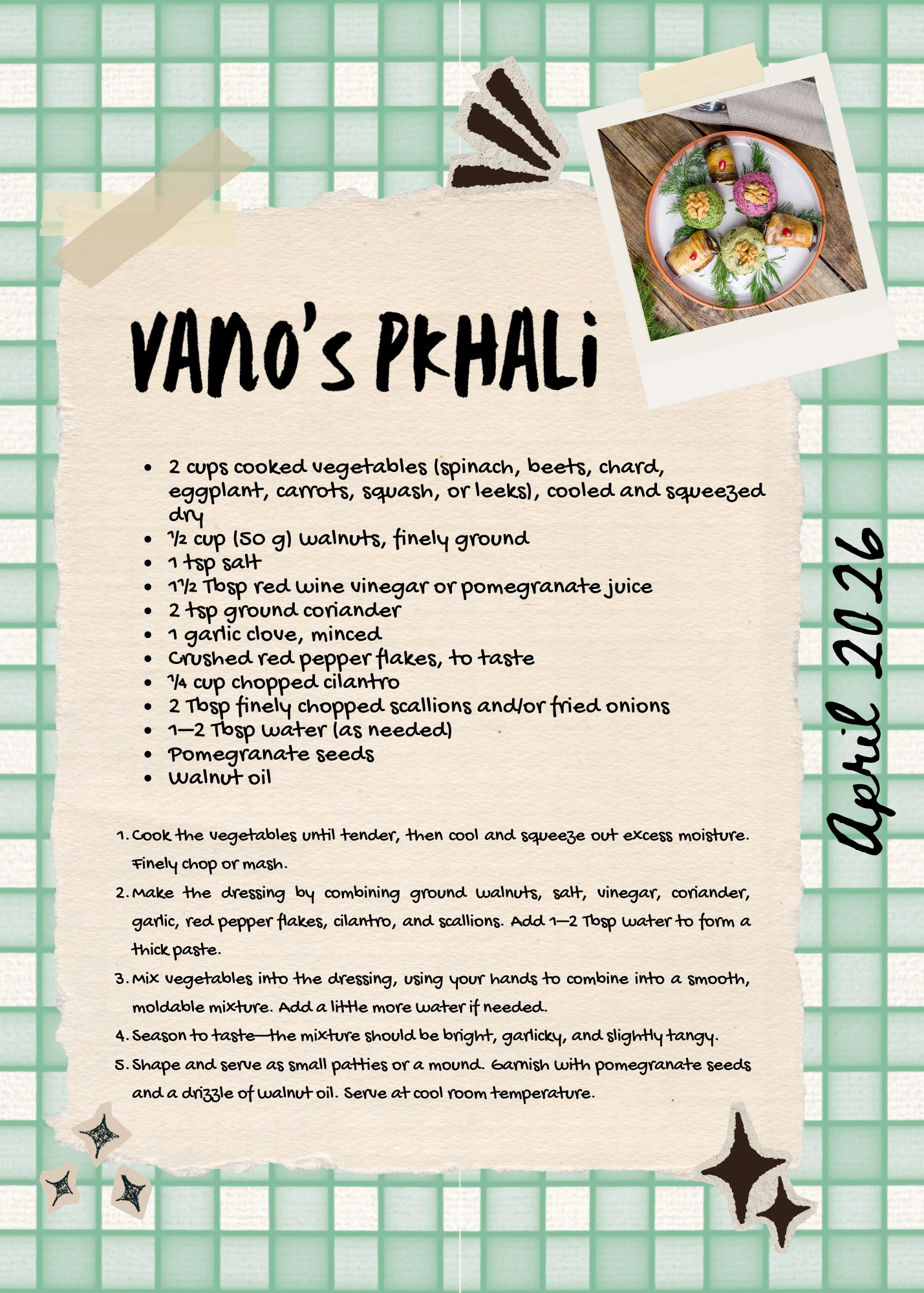
To make pkhali, start with cooked vegetables that have been cooled and squeezed of excess moisture. This step is very important—especially with spinach.
One of the most common mistakes is overcooking. If you overcook spinach, it loses its color and texture, which are key to the dish. You want it just cooked, still vibrant.
The vegetables can be boiled, roasted, or broiled depending on the type. Beets, eggplant, carrots, squash, and leeks all work well with different cooking methods.
For the dressing, walnuts are ground into a coarse paste and combined with salt, vinegar or pomegranate juice, garlic, coriander, herbs, and a bit of water to create a thick mixture.
Once the vegetables are mixed with the walnut paste, the pkhali can be shaped into small balls or spread onto a plate. It’s often finished with pomegranate seeds, which add both texture and brightness. You can also add a little pomegranate molasses for extra depth.
One of my favorite ways to serve it is as a sampler. Different vegetables create different colors—green from spinach, deep red from beets, yellow from carrots, soft tones from leeks—so the plate becomes very vibrant and inviting.
A Dish with a Message
Georgian cuisine is very large, with many complex dishes, but I wanted to share something simple that still carries a message from Georgia.
Pkhali is approachable, but it reflects our ingredients, our traditions, and the way we gather around food. It’s something you can make at home, share with others, and enjoy together.
And that, for us, is what food is about.