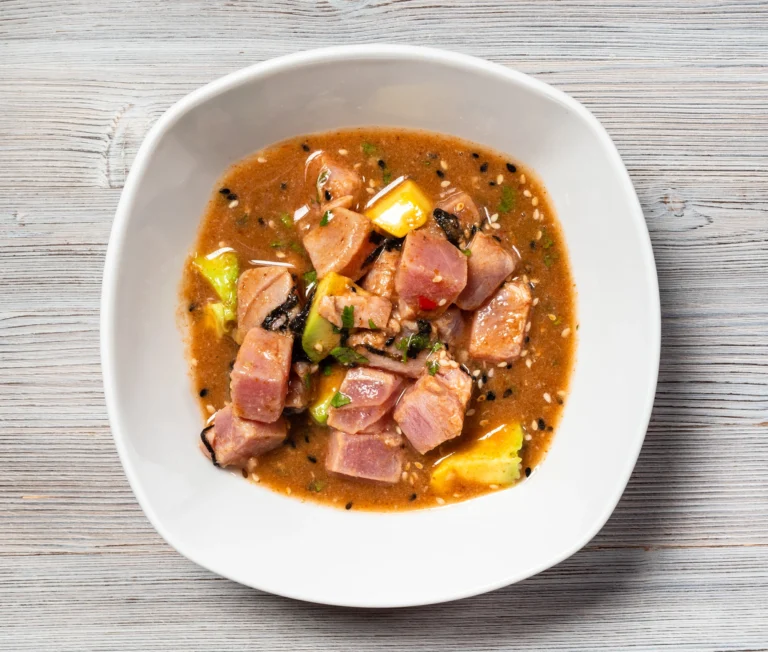
Some recipes tell a personal story, and others tell the story of an entire country. For our latest Food Festival feature, we spoke with our Senior Human Resources Specialist Jonathan Siu, who shared a recipe that does both: Cebiche Nikkei, a vibrant fusion of Peruvian and Japanese culinary traditions that reflects both his heritage and Peru’s rich cultural history.
For Jonathan, introducing this dish is about more than sharing a favorite meal, but is an opportunity to spotlight a side of Peru that many people have never experienced.
“It’s my way of sharing my culture. A lot of people don’t realize Peru has one of the largest Asian diasporas in Latin America,” he explains.
Where Peru Meets Japan
Cebiche is one of Peru’s most iconic dishes, traditionally enjoyed as a fresh seafood lunch. While it’s now becoming more common to find it served at dinner, lunchtime remains its classic home.
Cebiche Nikkei builds on that beloved tradition by incorporating Japanese influences, creating a version that’s commonly found in Nikkei and Asian fusion restaurants throughout Peru. The dish balances brighter flavors with savory soy sauce, celebrating the connection between two culinary worlds.
Despite its popularity today, it isn’t tied to a specific holiday or celebration. Instead, it’s an everyday dish that showcases Peru’s multicultural identity.
A Recipe That Became a Family Connection
Ironically, Jonathan’s first experience with Cebiche Nikkei didn’t happen in Peru.
After moving to the United States in 2004, he first tasted the dish in New York where he immediately fell in love with the flavors.
When he later mentioned the experience to his father who is a former chef, he discovered something unexpected. His father had been making the dish years before.
That realization transformed a memorable meal into a meaningful family connection, making this recipe one that continues to bring back cherished memories.
Tips from the Kitchen
Like many deceptively simple dishes, Cebiche Nikkei is all about balance.
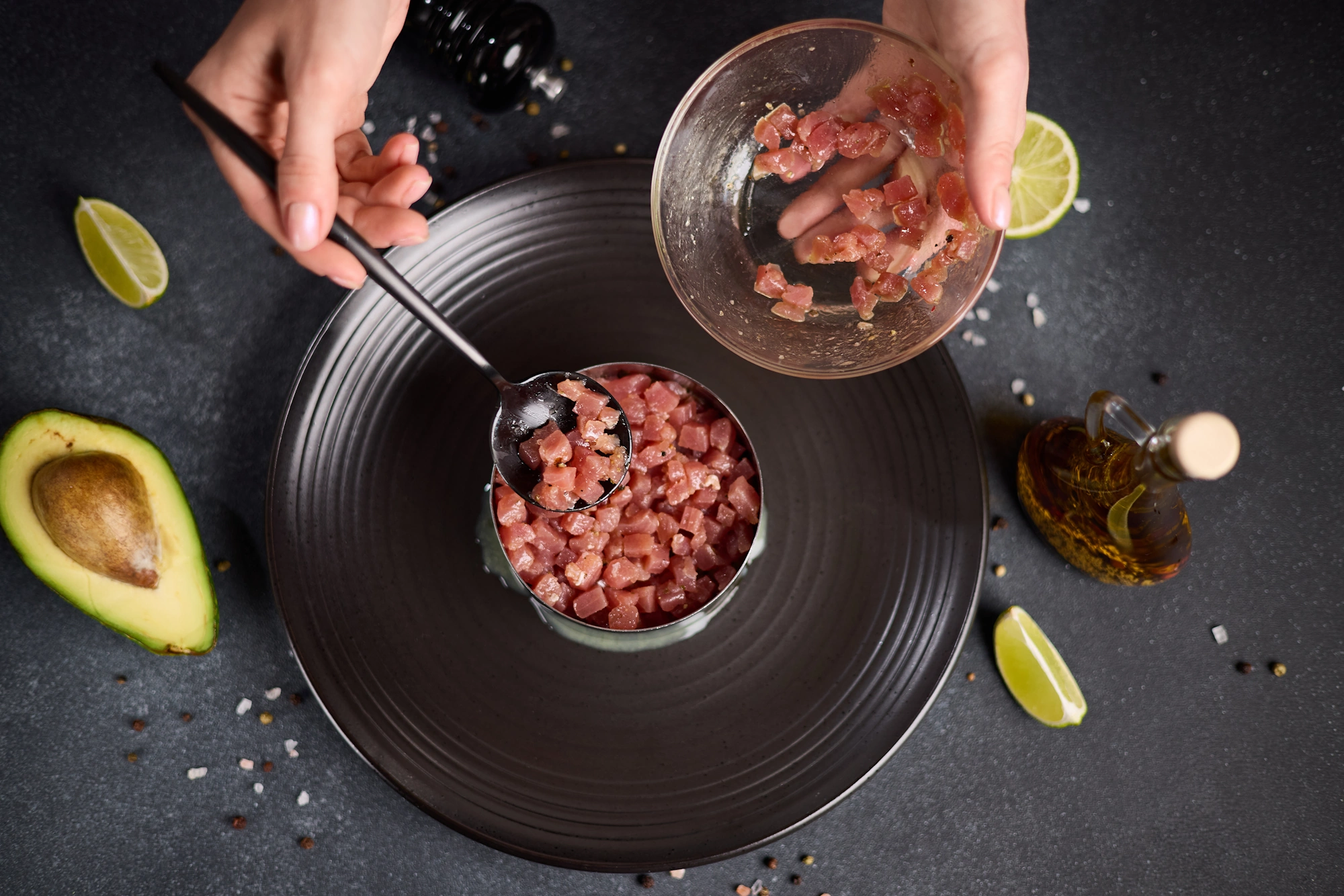
Jonathan’s biggest tip is to salt the fish early, allowing it time to absorb the seasoning before adding the remaining ingredients. From there, finding the right balance between soy sauce and fresh lime juice is key.
And remember, don’t skip the oil!
“A little oil helps bring everything together and balances the acidity,” he explains.
How to Serve It
Instead of serving Cebiche Nikkei as a large entrée, he enjoys presenting it as a bite-sized appetizer.
Rice crackers provide the perfect crunchy base, creating an easy hors d’oeuvre that’s ideal for summer gatherings.
Beyond the Familiar
While Peruvian cuisine has earned increasing international recognition with the country’s restaurants regularly appearing among the world’s best, our Jonathan believes many people still only know a small slice of what Peru has to offer.
“The Peruvian food you can find in New York is just a fraction of what’s available back home,” he says. “There’s so much more, especially when it comes to fusion cuisine.”
Peru’s culinary landscape is shaped by Indigenous, Spanish, African, Chinese, Japanese, and many other cultural influences, creating one of the world’s most diverse food traditions.