Each month, our Food Festival series celebrates a dish through a chef-driven recipe, practical tips, and serving inspiration rooted in real kitchens.
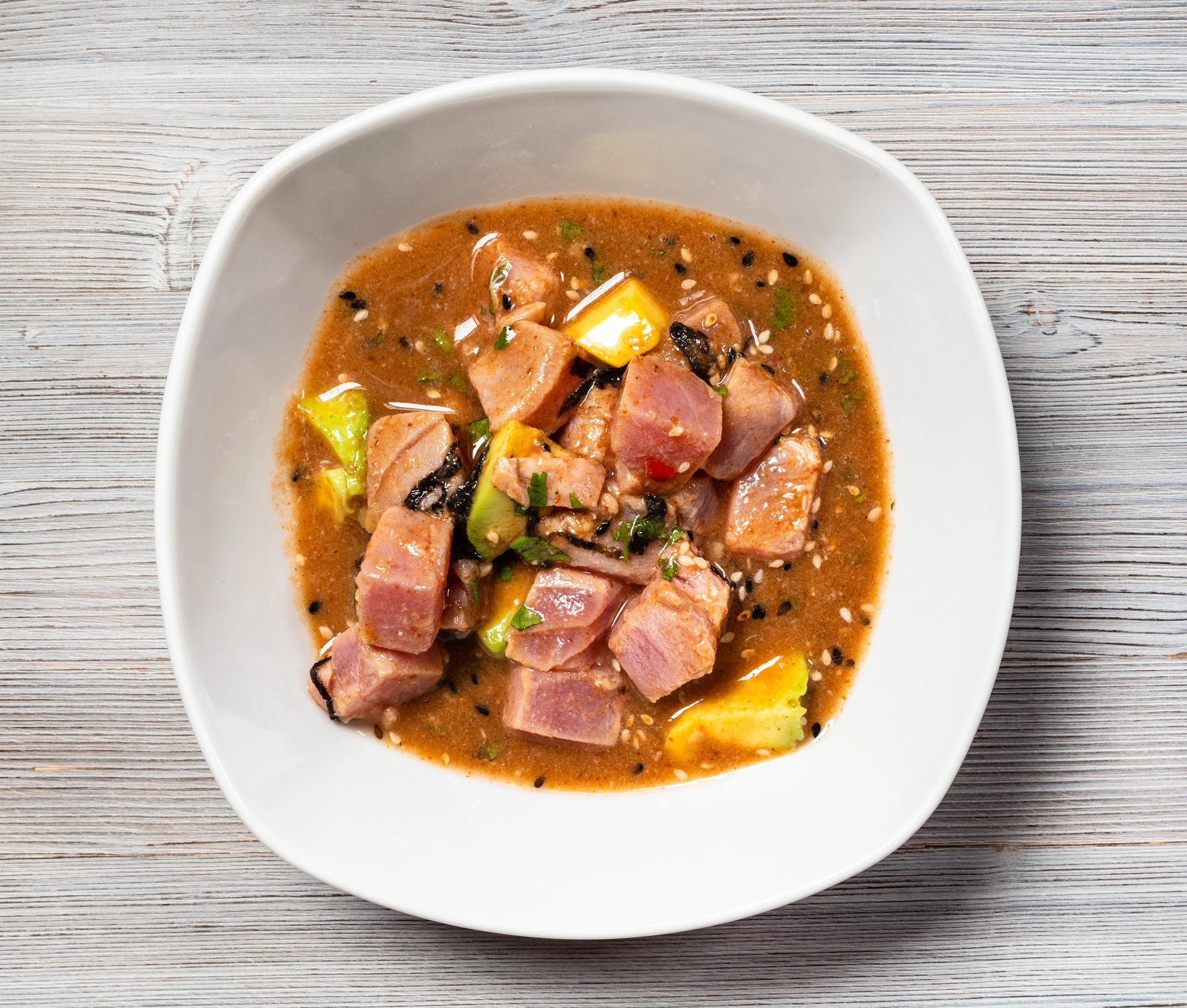
Some recipes tell a personal story, and others tell the story of an entire country. For our latest Food Festival feature, we spoke with our Senior Human Resources Specialist Jonathan Siu, who shared a recipe that does both: Cebiche Nikkei, a vibrant fusion of Peruvian and Japanese culinary traditions that reflects both his heritage and Peru’s rich cultural history.
For Jonathan, introducing this dish is about more than sharing a favorite meal, but is an opportunity to spotlight a side of Peru that many people have never experienced.
Want more seasonal ideas? Explore the full Food Festival series here.
Ingredient Spotlight: Sesame Oil
Sesame oil brings rich, nutty depth to countless dishes, adding both aroma and flavor with just a splash. Available in both light and toasted varieties, each has its own role. Light sesame oil is ideal for cooking, while toasted sesame oil is best as a finishing oil that enhances the end product with savory notes that help round out a dish without overpowering it.
Recipe: Cebiche Nikkei
by Jonathan Siu
Ingredients
- 1 thumb-sized piece of ginger
- Salt and white pepper, to taste
- 1 tablespoon soy sauce
- 1 teaspoon sesame oil
- Handful of toasted sesame seeds
- 2 tuna steaks
- 1 avocado
- 4 limes
- Rice crackers, for serving
Procedure
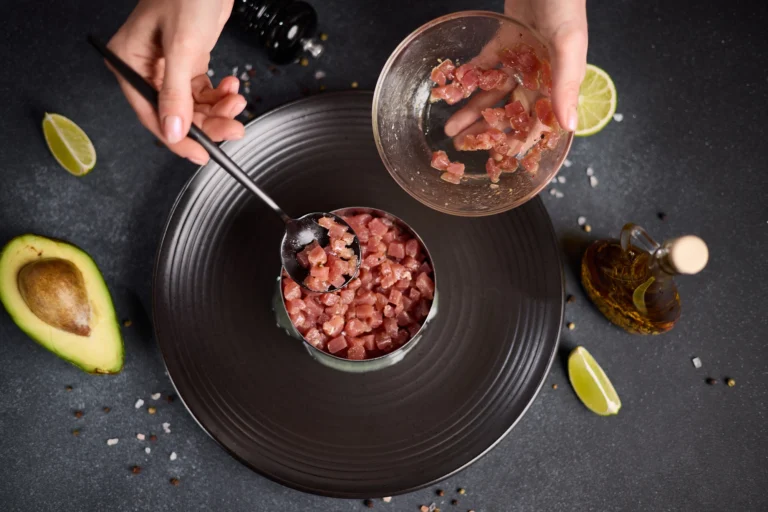
- Cut the tuna into medium-sized cubes.
- Cut the avocado into cubes approximately the same size as the tuna.
- Season the tuna with salt and white pepper. Let it rest for a few minutes.
- Grate the ginger over the tuna.
- Squeeze the limes over the tuna and mix.
- Add the sesame oil and soy sauce.
- Add the avocado and mix gently.
- Add the toasted sesame seeds.
- Taste and adjust the salt as needed.
- Serve in a bowl or spoon onto rice crackers as individual hors d’oeuvres.
Pro Tips from Our Chefs
- Salt the tuna early. This gives the seasoning time to penetrate the fish rather than remaining only on its surface.
- Season everything else at the end. The soy sauce contributes salt of its own, so taste the completed mixture before making final adjustments.
- Find the right balance. Neither the soy sauce nor the lime juice should overpower the fresh tuna.
- Don’t skip the sesame oil. It softens the acidity and salinity, helping bring the lime juice and soy sauce into balance.
- Serve it fresh. Cebiche is at its best when prepared with excellent seafood and served promptly.
How to Use It: Serving Suggestions
- Spoon individual portions onto rice crackers for a passed hors d’oeuvre.
- Serve in a bowl as a light summer starter or lunch dish.
- Offer additional rice crackers alongside for crunch and contrast.
From Our Farm to Your Table: Meet Katchkie Farm and Our CSA
Many of the ingredients we use at Great Performances come straight from Katchkie Farm, our organic farm in Kinderhook, NY. It’s where we grow with intention: focusing on flavor, sustainability, and connection to the land.
Through our CSA (Community Supported Agriculture) program, you can enjoy the very best of the season each week—from just-picked produce to specialty pantry items and surprises from our kitchen.
Want a deeper connection to your food? Learn more about our CSA and Katchkie Farm →
Keep Cooking with Us
We’re cooking our way through the seasons—one ingredient at a time. Sign up for our newsletter to get each month’s recipe, tips, and art delivered to your inbox.
Get recipes, seasonal stories, and event tips delivered each month? Sign up for our newsletter →